


Key Takeaways
- Regularly monitor your water meter to detect hidden leaks.
- Be vigilant for signs like unexplained water stains, musty odors, and increased water bills.
- Implement preventive measures such as installing leak detection devices and maintaining plumbing systems.
Hidden water leaks are among the most elusive problems homeowners can face, posing a constant risk of structural damage, mold growth, and increased utility costs. Learning how to spot and prevent these leaks is essential for protecting both your investment and your family’s health. If you experience frequent high water usage Jacksonville, FL or want to avoid water-related disasters, being proactive is key.
Water leaks often conceal themselves within walls, floors, or basements, progressing unnoticed until substantial damage has occurred. Many homeowners are unaware that a small, continuous leak can waste thousands of gallons of water each year while undermining the safety and longevity of their home. Fortunately, embracing smart leak detection habits and regular maintenance can dramatically reduce risks.
Beyond financial repercussions, hidden water leaks can create a perfect environment for mold and mildew, which may affect indoor air quality and trigger allergic reactions. Being able to identify leaks early gives you a chance to address issues efficiently—often before they require complex or expensive repairs.
Every homeowner can take steps to improve their home’s resilience to hidden leaks. Early detection strategies, regular system checks, and investing in monitoring technology are straightforward yet impactful steps that reduce the likelihood of facing a crisis.
Understanding Hidden Water Leaks
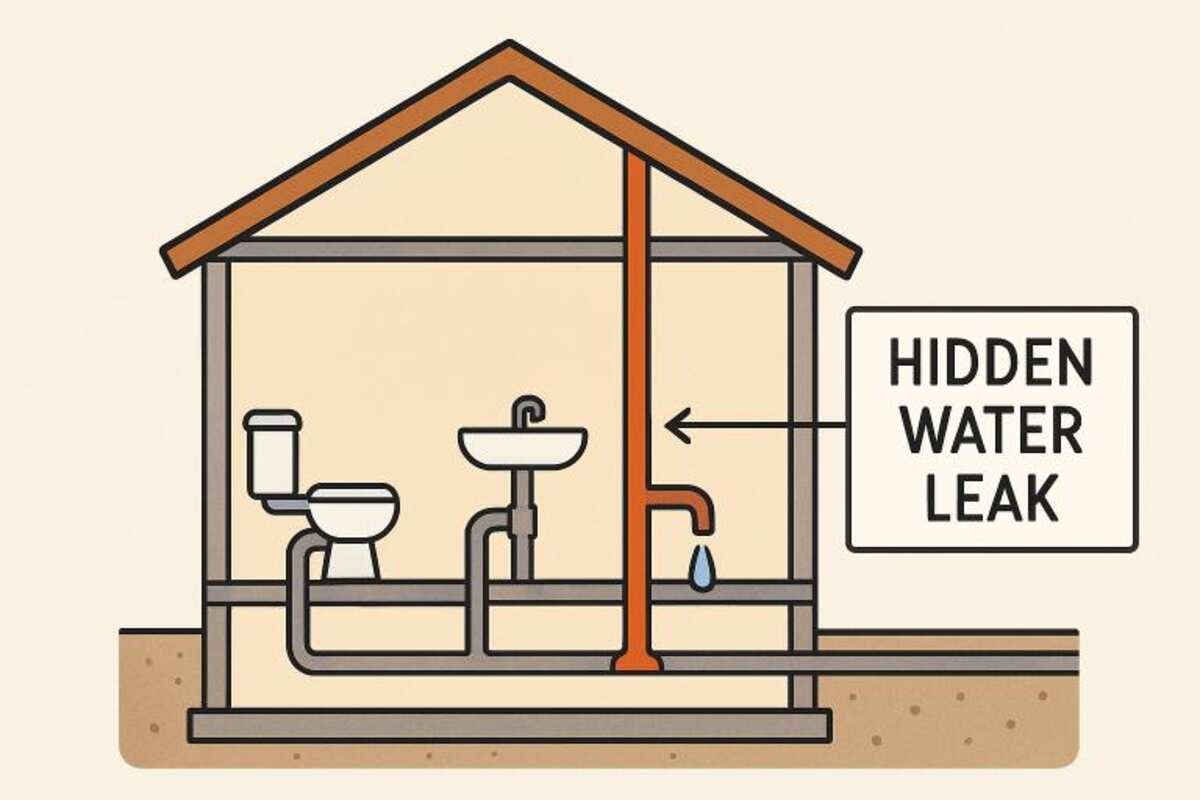
Hidden water leaks are those that develop within inaccessible areas, such as inside walls, beneath flooring, or in crawl spaces. Because they do not immediately show visible signs, these leaks can persist unnoticed for months, progressively worsening issues such as rot, mold proliferation, and weakening of your home’s foundation. According to the EPA, the average household leak can account for nearly 10,000 gallons of wasted water each year. Even a seemingly minor leak has the potential to cause big problems if not discovered promptly.
Common Signs of Hidden Leaks
Vigilance is crucial for detecting leaks in their early stages. Some signs often signal the presence of a hidden water leak before visible water damage appears:
- Unexplained Increase in Water Bills: Utilities that skyrocket without corresponding changes in usage may indicate continuous water loss due to a leak.
- Musty Odors or Mold Growth: Persistent damp, earthy smells or new patches of mold are often warnings of excess moisture from an undetected source.
- Water Stains and Discoloration: Yellow, brown, or gray stains on ceilings and walls suggest water has seeped in from above or behind the surface.
- Peeling Paint or Wallpaper: Bubbling, peeling, or warping finishes signal excess moisture behind walls.
- Decreased Water Pressure: If your faucets or shower suddenly lose water pressure, water may be escaping elsewhere through a hidden leak or breach.
Using Your Water Meter to Detect Leaks
Your home’s water meter provides a convenient way to detect leaks that you may not be able to see. Conduct this simple check when you suspect a possible leak:
- Make sure all water-using appliances and fixtures inside and outside your home are turned off.
- Take note of the current water meter reading.
- Wait 30 minutes to an hour without running any water.
- Read the meter again. If the number has changed, water is disappearing from your system somewhere—a clear sign of a possible leak.
This technique helps pinpoint leaks before outward signs develop and should be performed periodically as a preventative measure.
Areas Prone to Hidden Leaks
Certain areas of your home are particularly prone to leaks. Focus your inspections and monitoring devices in these zones:
- Bathrooms: Common trouble spots include under sinks, behind toilets, and around showers or bathtubs, where seals degrade over time.
- Kitchens: Water supply lines to dishwashers, refrigerators with icemakers, and drains under the sink are routine culprits for leaks.
- Basements and Crawl Spaces: Low-traffic areas often overlooked; leaking pipes or poor foundation drainage can quietly cause significant damage.
- Walls and Ceilings: Water seepage from upper-story appliances or roofs can present as stains below; therefore, always investigate discolouration promptly.
Preventive Measures to Avoid Hidden Leaks
The best approach to leaks is prevention. Implement these key strategies to reduce your risk:
- Regular Inspections: Routinely inspect plumbing joints, hoses, and exposed pipes for signs of leaks or corrosion.
- Install Leak Detection Devices: Place smart sensors in areas prone to leaks to instantly alert you if water accumulates where it shouldn’t.
- Maintain Your Roof and Gutters: Clean your gutters seasonally and inspect your roofing for signs of wear—water can infiltrate from above, triggering interior leaks.
- Monitor Water Pressure: Use a pressure gauge to verify that the household water pressure remains below 60 psi, thereby reducing strain on the pipes.
- Seal Cracks and Gaps: Regularly caulk gaps or cracks in foundations and around windows/doors to prevent water from entering your structure externally.
When to Call a Professional
If your search for a leak proves unsuccessful or if you discover significant mold, structural changes, or water damage, contact a professional plumber promptly. Specialists employ advanced diagnostic tools—like thermal imaging cameras and acoustic listening equipment—to locate and repair hidden leaks with minimal disruption to your home. Delaying professional intervention can lead to increased repair costs and heightened potential health risks.
Final Thoughts
Hidden water leaks pose a threat to your home’s stability and the well-being of your household. By staying informed, performing routine checks, utilizing simple water meter tests, and installing detection devices, you can significantly reduce the risk of costly and destructive water intrusion. Remember that prevention, vigilance, and prompt professional help are your best defenses, offering peace of mind and long-term savings.
