


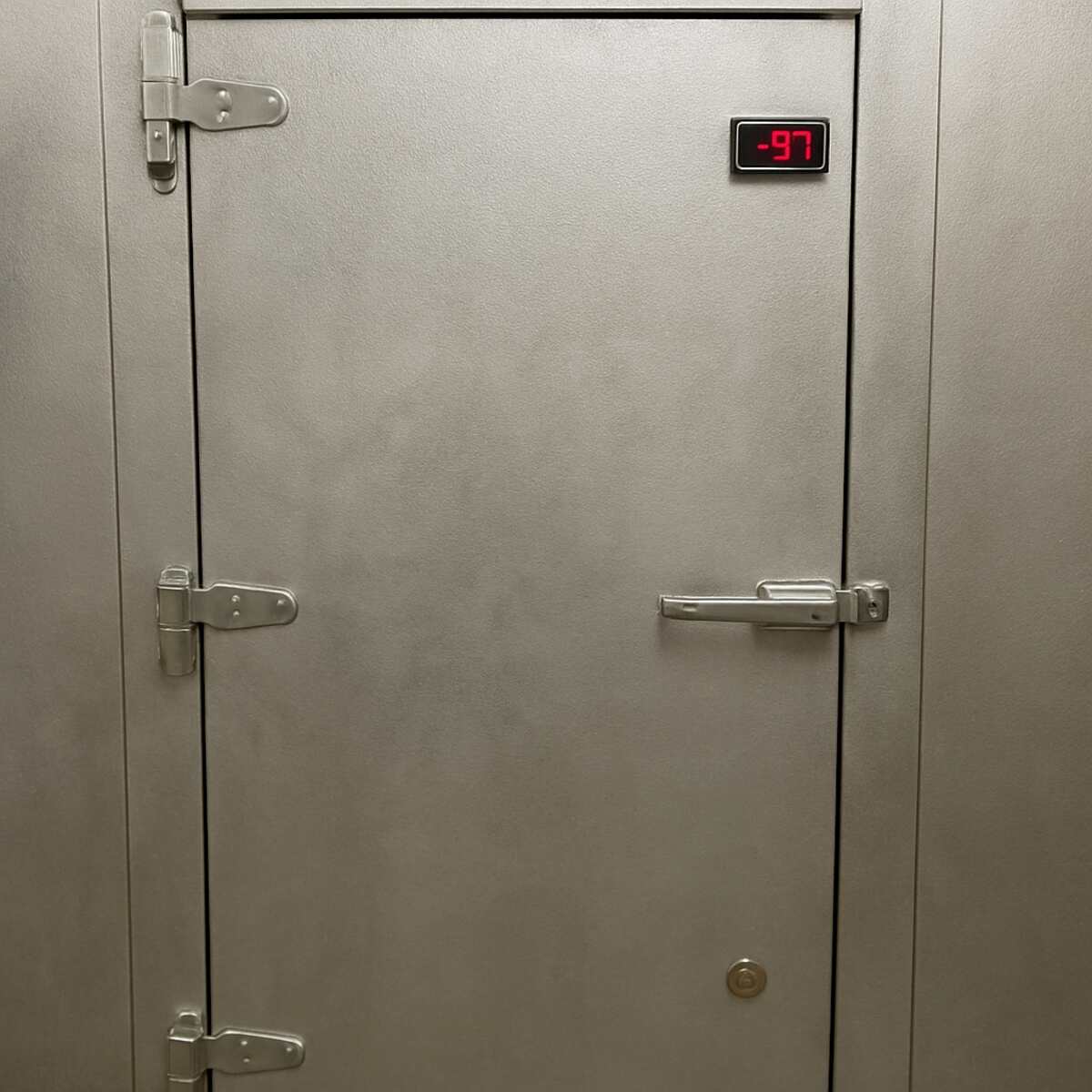
Ever walk through the produce aisle and wonder how the lettuce stays so perfectly crisp day after day? Or how a restaurant has fresh fish ready for a busy Saturday night? The secret isn’t just a big refrigerator. It’s a precisely engineered environment, a room-sized machine designed to control temperature, humidity, and air quality with scientific accuracy. Why choose the Cold Room Specialists?
Maintaining that perfection, however, is a high-wire act. Unlike a home fridge, where a mistake might spoil a carton of milk, a small failure in commercial refrigeration can be catastrophic. A tiny gap in a seal or a miscalculation in insulation can lead to thousands of dollars in spoiled inventory and, more importantly, create a serious risk to food safety. The stakes are simply too high for guesswork.
This is where a unique professional comes in: the Cold Room Specialist. Part architect and part thermal scientist, these experts understand that building an effective cold room is about much more than making a space cold. They are masters of a hidden world, responsible for designing and constructing these critical environments to prevent the very disasters business owners fear most.
From the grocery store to the pharmacy, these specialists ensure the systems that protect our food and medicine work flawlessly. Understanding their role is the first step in appreciating that successful commercial refrigeration isn’t an accident—it’s a specialty built on expertise, precision, and the work of dedicated cold room specialists.
What’s the Difference Between a Giant Fridge and a Real Cold Room?
You might think a restaurant’s walk-in cooler is just a supersized version of your fridge at home. While they both keep things cold, that’s where the similarity ends. A refrigerator is an appliance you plug in; a cold room is a piece of architecture. It’s a precisely engineered environment that’s fully integrated into the building, where every component works together as one system.
This fundamental difference in walk-in cooler design and build leads to several critical distinctions. It’s not just about being bigger; it’s about being smarter.
- Appliance vs. Architecture: A fridge is a self-contained box. A cold room’s walls, floor, and ceiling are the structure, designed and built directly into the space with perfect seals.
- Temperature vs. Environment: Your home fridge really only controls temperature. A cold room manages the entire climate—including humidity and air circulation—to keep vegetables crisp, prevent cheese from drying out, or stop ice from forming.
- General vs. Specific: Fridges are one-size-fits-all. In contrast, a walk-in freezer for meat is engineered very differently from a floral cooler, because frozen fish and fresh roses have completely different needs.
Ultimately, this level of control is what defines industrial cold storage solutions. It’s the key to ensuring everything from life-saving vaccines to the food on your plate is kept perfectly safe and preserved. But if a cold room is a sealed environment, how does it actually get cold in the first place? It’s all about moving heat.
How Cold Rooms Magically Move Heat (And Why It’s Not Magic)
It might seem like a cold room is actively creating cold air, but the science is actually the opposite. A refrigeration system doesn’t make cold; it moves heat. Think of it as a highly efficient heat transportation service, constantly picking up warmth from inside the room and dropping it off outside. This continuous removal of heat is what allows the temperature inside to plummet and stay stable.
The process begins inside the room with a component called the evaporator. This is the part that gets frosty and blows the cool air you feel. As warmer air from inside the room passes over its icy coils, the evaporator acts like a sponge, absorbing the heat into a special liquid refrigerant. It works much like how a cold glass of water “sweats” on a humid day by pulling warmth and moisture from the surrounding air.
From there, the now heat-filled refrigerant is sent to the heart of the system: the compressor. This powerful pump squeezes the refrigerant, concentrating the heat and pushing it toward its final destination. Finally, the hot refrigerant flows to the condenser, which is typically the fan-equipped unit you might see outside a building. Here, all the heat that was collected from inside the cold room is released into the outside air.
With the heat gone, the cool refrigerant cycles back to the evaporator to start the process all over again. This constant loop is what allows a commercial refrigeration unit to maintain its temperature. But ensuring these key refrigeration system components work in perfect harmony is far more complex than it sounds, which is why you can’t just hire any builder for the job.
Why You Can’t Just Hire a Builder: The High Cost of Small Mistakes
A refrigeration system running perfectly is only half the battle. Think of a tiny gap in a high-tech thermos—the contents warm up fast. In a cold room, any construction flaw creates a thermal leak, a constant stream of heat flowing inward. This forces the cooling system into overdrive, fighting a losing battle that sends energy bills soaring. A general contractor might construct a box, but a proper walk-in cooler design and build requires an obsessive focus on eliminating these costly, invisible gaps from the very start.
Beyond just wasting energy, these leaks invite a more destructive problem. When warm, humid air gets past an imperfect airtight seal—something specialists call a vapor barrier—it hits the freezing temperatures inside the wall. The trapped moisture turns to ice and expands, a powerful process known as ice jacking. Over time, this can physically buckle panels and tear the structure apart from within, a silent disaster that a non-specialist would never anticipate.
This is why knowing how to choose a cold storage contractor is so critical. A specialist isn’t just assembling a room; they are preventing these future failures. They understand that even the most energy-efficient cold room panels are useless without a perfect seal at every single joint and opening. Their expertise ensures the structure is not just cold, but also efficient and durable for years to come. It all begins with the science behind the room’s “winter coat.”
The ‘Winter Coat’ of a Cold Room: Why Panels and Insulation Are a Science
That ‘winter coat’ is more scientific than you might think. All insulation has a rating called an R-value—a simple score that tells you how well it resists heat. A higher R-value means a better ‘coat’ for the room, keeping more heat out and saving significant money on energy. For a specialist, choosing the right R-value isn’t a guess; it’s the first step in building an efficient environment.
Getting this right is crucial because the ideal R-value depends entirely on the room’s temperature. A walk-in cooler holding produce around 38°F might only need panels that are four inches thick. But a deep-freeze meant to keep food at -10°F requires much thicker six-inch panels to fight off the intense pressure from outside heat. Using the wrong one would be like wearing a fall jacket in a blizzard—an expensive and ultimately failing effort. This is a core principle behind effective industrial cold storage solutions.
To make sure this thermal shield is seamless, specialists rely on one of the great benefits of modular cold rooms: interlocking panels. Instead of traditional construction, these energy-efficient cold room panels are engineered to lock together tightly, creating a continuous, airtight barrier against heat. This precise, factory-built system forms a perfect seal that traditional methods can’t match, ensuring the insulation performs exactly as designed. But the temperature difference between a cooler and a freezer demands a completely different approach to more than just the walls.
Cooler vs. Freezer: Why It’s More Than Just a Temperature Setting
You might think the only difference between a walk-in cooler and a walk-in freezer is the number on the thermostat. Why not just build one box and turn the dial down for frozen goods? The answer lies in the machinery. The cooling system for a cooler and a freezer are as different as a small car engine and a heavy-duty truck engine. While both are designed to move, one is built for a much tougher job. This fundamental contrast in walk-in cooler vs walk-in freezer design is something a specialist understands intimately.
A cooler’s job is to keep things just above freezing, a relatively light workload. Its refrigeration system is sized accordingly. A freezer, however, has to battle constantly to keep temperatures far below zero. This requires a more powerful compressor (the system’s “engine”) and a larger evaporator (the part that gets cold inside the room) to pull out enough heat. Asking a cooler’s system to act like a freezer’s is like trying to tow a boat with a sedan—the engine will quickly overheat and fail.
Because these systems are not interchangeable, the initial walk-in cooler design and equipment selection are critical. This is where professional commercial refrigeration installation services become essential. A specialist ensures the right “engine” is installed for the job, creating a system that runs efficiently and reliably for years. Attempting to force a system to perform a task it wasn’t built for is a recipe for spoiled products, high energy bills, and eventual mechanical breakdown. And when a breakdown does happen, the stakes are incredibly high.
When the Cold Fails: The Critical Role of an Emergency Repair Specialist
A failing cold room is a silent emergency. The first sign isn’t a loud bang, but a subtle change in temperature that starts a countdown. For a restaurant, florist, or lab, every minute the temperature creeps up means thousands of dollars in product—from prime cuts of meat to life-saving vaccines—is at risk of being lost. This isn’t a problem that can wait until morning; it’s a race against the clock where the stakes are incredibly high, demanding an immediate and expert response.
This is precisely when a specialist proves their worth. Because they understand the urgency, true experts offer 24/7 emergency walk-in freezer repair. They arrive with service vehicles stocked not with generic parts, but with the specific compressors, fan motors, and controls common to commercial systems. Their deep experience allows for specialized diagnostics that go beyond the obvious. While a generalist might see a broken part, a specialist quickly identifies the root cause—perhaps a subtle pressure imbalance or a tiny leak—preventing a repeat failure just days later.
Ultimately, a specialist’s job is not just to fix what’s broken, but to restore the stability of an entire ecosystem. Understanding what does a refrigeration technician do in a crisis reveals their true value: they are financial first responders for businesses that depend on the cold. Their expertise in swift diagnosis and repair minimizes losses, but their work also highlights the importance of proactive cold room maintenance. To prevent these disasters from ever happening, many businesses now rely on a hidden watchdog working around the clock.
The Hidden Watchdogs: How Monitoring Systems Prevent Disaster
That hidden watchdog working around the clock is no longer a person walking the halls with a clipboard. These days, the best protection comes from sophisticated cold room temperature monitoring systems. Think of it like a smart security system, but for temperature. Tiny sensors placed inside the cold room act as tireless digital guards, tracking conditions 24/7 and logging every minor fluctuation, providing a level of oversight that is simply impossible to achieve manually.
The true genius of this technology, however, isn’t just watching; it’s the early warning. Long before the temperature enters the danger zone where food begins to spoil, the system sends an automatic alert—a text message or email—directly to the business owner or their repair specialist. This proactive signal transforms a potential catastrophe into a routine maintenance call. A specialist can address a struggling fan motor hours before it would have caused a complete shutdown, saving thousands of dollars in lost inventory.
Beyond preventing financial loss, this constant vigilance is essential for public health and legal peace of mind. Many industrial cold storage solutions must meet strict safety rules, such as those under HACCP (a framework for food safety). These monitoring systems provide an unbreakable digital record, proving that products were kept at a safe temperature every moment. This automated log is vital for HACCP compliance for cold storage, ensuring businesses are not only protecting their products but also their customers. Such advanced systems are a core part of a modern cold room, but they’re just one element that influences the total cost.
Decoding the Price Tag: What Really Determines a Cold Room’s Cost?
While advanced systems are a key feature, the biggest question for any business is about the bottom line. When people ask, “how much does a walk-in freezer cost to install?” the answer always depends on a few critical factors. The most obvious is size—a bigger room requires more materials and labor. Just as important, however, is the target temperature. A walk-in cooler that holds produce at 4°C is fundamentally different and less expensive than a deep freezer built to maintain a frigid -20°C.
Think of it like dressing for the weather. A cool autumn day might only require a light jacket, but a blizzard demands a heavy-duty parka. Similarly, holding a deep-freeze temperature requires a much more powerful refrigeration system and significantly thicker insulation to fight off the constant invasion of heat. This difference in equipment and materials is a major driver of the initial cost, making freezers a larger investment than coolers of the same size.
This is where the idea of “Total Cost of Ownership” becomes crucial. A cheap initial build might seem attractive, but it often comes with a hidden price tag in the form of sky-high energy bills. Using thinner, less effective insulation is like trying to stay warm in that blizzard with a windbreaker. The cooling system must run constantly to keep up, consuming enormous amounts of electricity. Opting for high-quality, energy-efficient cold room panels during the initial build drastically reduces this long-term operating expense.
Ultimately, a proper walk-in cooler design and build isn’t just about the upfront sticker price; it’s about finding the sweet spot between initial investment and lifetime running costs. A cheaper room that bleeds energy can end up costing a business far more over its lifespan. This delicate balance is exactly why choosing the right expert is so critical, as they build for long-term efficiency, not just a quick installation.
Your 5-Point Checklist for Finding a True Cold Room Specialist
Choosing the right expert is the most important decision you’ll make, but it can feel daunting. How do you distinguish true cold room specialists from general contractors who simply offer refrigeration services? The key is asking questions that cut straight to their expertise. Before you decide how to choose a cold storage contractor, use this simple five-point checklist to guide the conversation.
- Do you specialize exclusively in commercial refrigeration and cold rooms?
- Can you provide a portfolio of similar projects and references?
- How do you approach energy efficiency in your designs?
- What do your maintenance plans and emergency service response times look like?
- Are you familiar with local health codes and food safety guidelines (like HACCP)?
The answers to these questions reveal far more than technical skill. A true professional won’t just claim they build for efficiency; they’ll explain how with specific examples about insulation R-values or compressor sizing. They’ll have a ready list of past clients and a clear plan for what happens if your system fails at 2 a.m. This level of preparation is what separates the best commercial refrigeration companies from the rest. They don’t just install a box that gets cold—they build a reliable, efficient, and compliant system designed to protect your investment for years to come.
From a Simple Chill to a Scientific Marvel: Why These Experts Matter
That perfectly crisp head of lettuce in the grocery store no longer seems so simple. Where you once saw just a big refrigerator, you now see a precisely engineered environment. You understand that it’s not about making things cold, but about creating a sealed world—actively moving heat out, controlling moisture, and preventing the tiniest flaw from causing a catastrophic failure.
This is the world of the Cold Room Specialist. They are the unseen architects and scientists ensuring these systems work flawlessly, turning a simple box into one of the most reliable industrial cold storage solutions a business can have. The full benefits of modular cold rooms are only unlocked through their precise installation and deep understanding of thermal dynamics.
From the fresh food on your plate to the life-saving vaccine at a clinic, this hidden world depends on them. So the next time you walk past a restaurant’s cooler, you’ll know the silent expertise at play. You now have the vision to see these unsung heroes and the critical science they command, a science that quietly keeps our world safe and fresh.
