


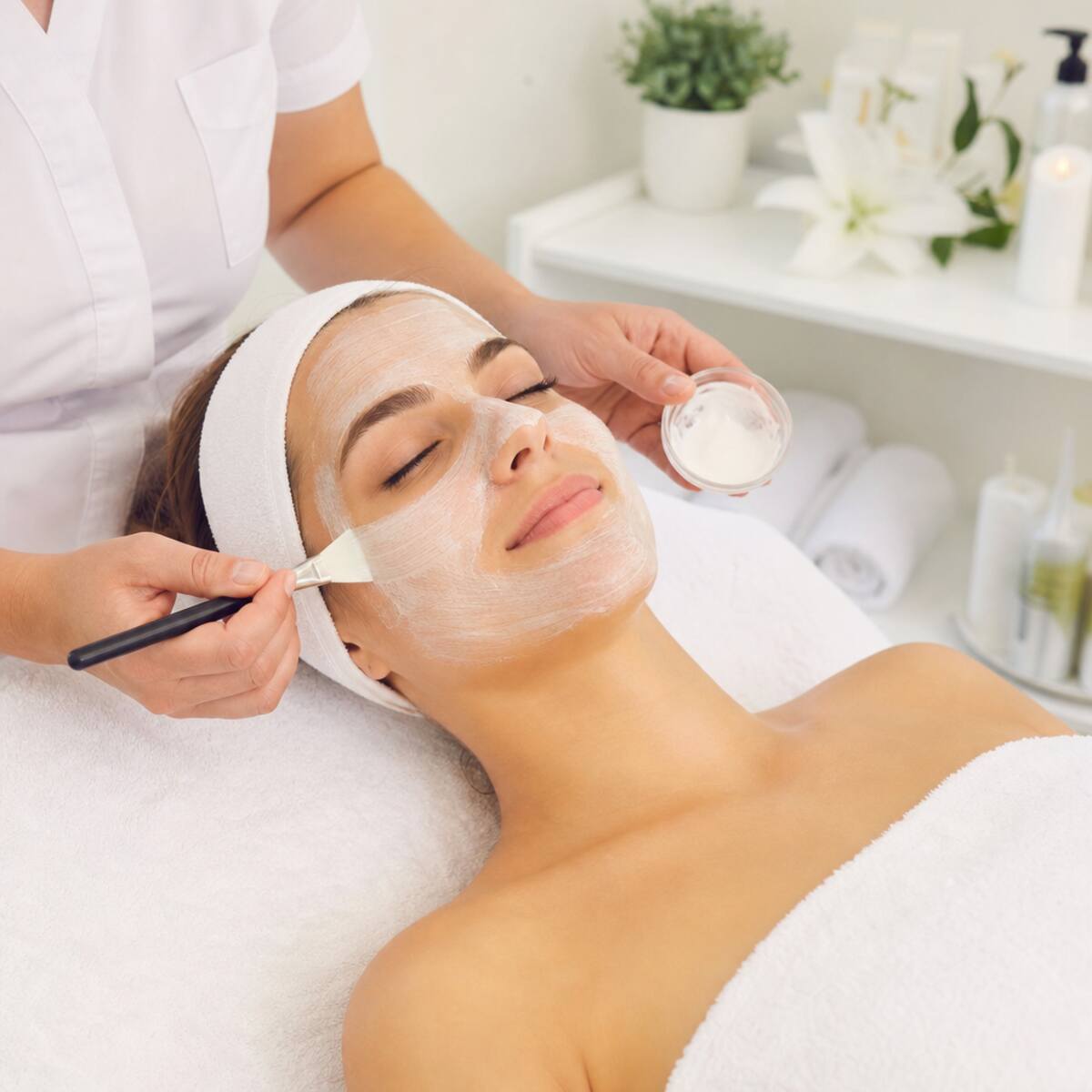
The pursuit of healthy, radiant skin is a journey that often leads us through a maze of serums, creams, and at-home gadgets. However, even the most meticulous daily regimen occasionally needs a professional boost. Enter the world of Facials. Far from being just a luxurious indulgence reserved for spa days or special occasions, professional facial treatments are foundational to long-term skin health. Learn the best info about Facials Naperville.
Whether you are dealing with stubborn breakouts, premature aging, or simply a dull complexion, understanding how to navigate the vast menu of available services is crucial. With so many options available, selecting the right treatment can feel overwhelming. This comprehensive guide will demystify the process, helping you understand your skin’s unique needs and how to choose the perfect facial to achieve a luminous, resilient complexion.
Understanding Your Skin’s Foundation
Before diving into the specific types of Facials available, it is vital to understand what we are actually trying to achieve. The primary goal of any high-quality skincare treatment is to support and enhance the skin’s natural functions, primarily by protecting and repairing the skin barrier.
The Importance of the Skin Barrier
Your stratum corneum—the outermost layer of your epidermis—acts as a brick-and-mortar wall. The “bricks” are skin cells (corneocytes), and the “mortar” consists of essential lipids like ceramides, cholesterol, and fatty acids. When this barrier is intact, it keeps hydration locked in and environmental aggressors, such as pollution and bacteria, out.
Before booking any aggressive procedures, a professional aesthetician will look for the signs of healthy skin barrier, which include:
- A smooth, supple texture without flakiness.
- Even skin tone without persistent redness or irritation.
- A natural, subtle glow (not to be confused with excessive oiliness).
- No feelings of tightness or stinging when applying basic skincare products.
- Rapid healing of minor blemishes.
If your barrier is compromised, your aesthetician will likely pivot away from harsh exfoliants and focus heavily on restorative, soothing ingredients to rebuild your skin’s defenses.
The Anatomy of a Professional Facial
While treatments vary wildly based on your specific needs and the practitioner’s approach, most traditional facial treatments follow a foundational structure. Understanding these steps helps demystify the process and allows you to communicate better with your skincare provider.
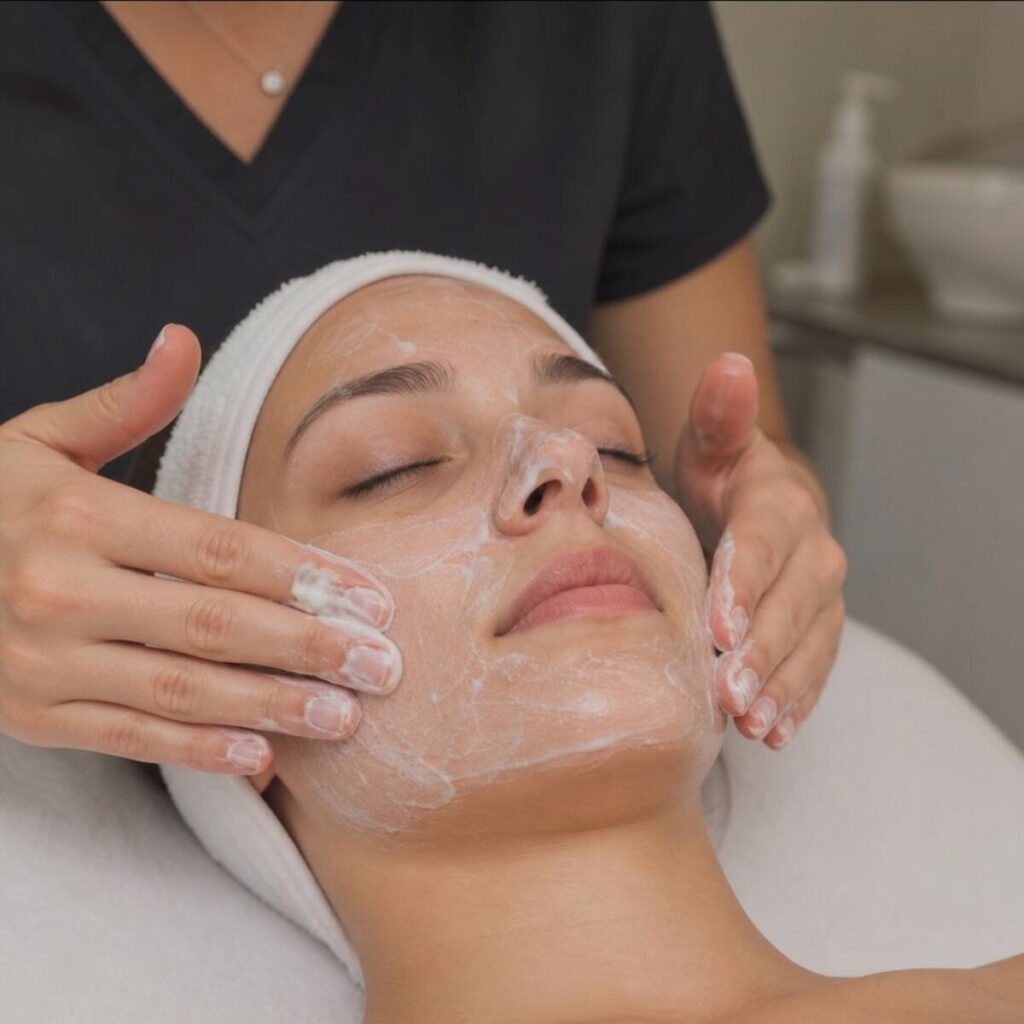
1. The Double Cleanse and Analysis
Every facial begins with a thorough cleansing. Professionals usually utilize a double-cleanse method: an oil-based cleanser to melt away makeup, SPF, and excess sebum, followed by a water-based cleanser to remove sweat and cellular debris. Once the canvas is clean, the aesthetician uses a brightly lit magnifying lamp to perform a detailed skin analysis, determining your skin type, hydration levels, and identifying specific concerns.
2. Exfoliation
To allow active ingredients to penetrate effectively, the dead skin cells sitting on the surface must be removed. There are numerous professional exfoliation methods for glowing skin, ranging from enzymatic peels (using fruit enzymes like papaya or pineapple to gently digest dead skin) to physical scrubs and ultrasonic skin scrubbers. Exfoliation instantly brightens the complexion and stimulates cellular turnover.
3. Extractions
For many, this is the most anticipated (and sometimes dreaded) part of the facial. If you are wondering what to expect during an extraction, it involves manually clearing clogged pores, particularly blackheads and comedones.
Your aesthetician will first soften the skin, often using steam or a desincrustation fluid. Then, using gloved fingers wrapped in sterile cotton or a specialized comedone extractor tool, they will apply gentle, targeted pressure to clear the pore. It is normal to feel a slight pinching sensation, but it should never be agonizingly painful. For those struggling with congestion, professional deep pore cleansing for blackheads is significantly safer and more effective than attempting to squeeze pores at home, which often leads to scarring and broken capillaries.
4. Facial Massage
Massage is not just included for relaxation; it serves a profound physiological purpose. The benefits of lymphatic drainage massage during a facial are immense. Using rhythmic, gentle strokes, the aesthetician manually encourages the movement of lymphatic fluid, which helps to flush out toxins, reduce facial puffiness, and improve overall circulation. Increased blood flow delivers more oxygen and nutrients to the skin cells, resulting in a distinct post-facial glow.
5. Targeted Facial Masks
After the skin is prepped, stimulated, and cleared, it is time to feed it. Facial masks used in professional settings are highly concentrated. Depending on your needs, your aesthetician might apply a purifying clay mask to draw out impurities, a thick alginate peel-off mask to deliver deep hydration, or a bio-cellulose sheet mask drenched in peptides.
6. Serums, Moisturizers, and SPF
The facial concludes with the layering of targeted serums, a moisturizer suited to your skin type, and, if it is daytime, a broad-spectrum sunscreen to protect your freshly treated skin.
Deciphering the Environment: Spa vs. Clinic
As you begin your search for the perfect facial, you will quickly notice that treatments are offered in a variety of settings. Understanding the difference between spa and clinical treatments is crucial for setting your expectations and achieving your desired results.
The Day Spa Experience
Spa facials are heavily focused on holistic wellness, relaxation, and sensory experiences. The environment is typically tranquil, featuring dim lighting, soothing music, and aromatherapy.
- The Focus: Stress relief, hydration, surface-level exfoliation, and maintaining already healthy skin.
- The Tools: Gentle enzymes, luxurious facial massage, botanical facial masks, and steam.
- Best For: Individuals looking to unwind, prep for an event with a temporary glow, or maintain normal to dry skin without severe concerns.
The Medical Spa or Clinical Environment
Clinical facials (often called medical facials) prioritize cellular change and results over pure relaxation. These are usually performed by aestheticians working under the supervision of a dermatologist or plastic surgeon.
- The Focus: Correcting specific skin conditions like severe acne, hyperpigmentation, deep wrinkles, and textural scarring.
- The Tools: Medical-grade skincare, high-percentage chemical peels, lasers, microneedling, and advanced modalities.
- Best For: Those seeking dramatic, long-lasting changes to their skin’s architecture, or individuals dealing with persistent, chronic skin conditions.
If you are looking for profound, structural changes to your skin, you will want to seek out professional skin rejuvenation treatments at a reputable clinic.
Matching the Facial to Your Skin Type
Selecting the right facial is not about booking the trendiest treatment; it is about booking the treatment your skin is currently begging for. Here is a breakdown of how to choose based on your specific skin profile.
Dry and Dehydrated Skin
Dry skin lacks oil, while dehydrated skin lacks water. Both present as tight, flaky, and dull. If your barrier feels compromised, aggressive exfoliation is the enemy.
- What to Look For: Hydrating treatments for dry skin. Look for facials that emphasize ingredients like hyaluronic acid, glycerin, ceramides, and squalane.
- Recommended Treatments: Oxygen facials are fantastic for dehydration. They utilize a machine that mists pure oxygen and an intensely hydrating serum across the face, plumping the skin instantly. Lactic acid peels are also excellent, as lactic acid is a unique chemical exfoliant that simultaneously draws moisture into the skin.
Acne-Prone and Oily Skin
Acne is a complex inflammatory condition driven by excess sebum, dead skin cells, and bacteria. The goal here is purification without aggressive stripping, which can cause the skin to panic and produce even more oil.
- What to Look For: The best professional skincare for acne-prone skin focuses on salicylic acid (a BHA that penetrates oil to clean out pores), niacinamide to reduce inflammation, and gentle extractions.
- Recommended Treatments: Clarifying or deep-cleansing facials are your go-to. Blue LED light therapy is often incorporated to kill acne-causing bacteria deep within the pores. Be cautious of overly heavy massage creams, which can exacerbate breakouts.
Aging and Mature Skin
As we age, cellular turnover slows down, collagen and elastin production drastically decreases, and cumulative sun damage begins to show as hyperpigmentation and fine lines.
- What to Look For: Treatments that accelerate cell turnover and deliver antioxidants, peptides, and growth factors to the skin.
- Recommended Treatments: To naturally stimulate collagen production, look for treatments that incorporate microcurrent (which acts as a workout for facial muscles, lifting and toning), microneedling (which creates controlled micro-injuries to trigger the body’s natural wound-healing and collagen-producing response), and advanced chemical peels.
Advanced Modalities: Taking Your Facial to the Next Level
Once you have mastered the basics, you may want to explore advanced modalities. These add-ons and specialized treatments offer targeted solutions for stubborn skin concerns.
The Great Debate: Chemical Peel vs Microdermabrasion
When it comes to advanced exfoliation and skin resurfacing, two treatments often go head-to-head. Understanding the nuances of chemical peels vs. microdermabrasion will help you choose the right path.
Microdermabrasion:
- How it works: This is a physical exfoliation method. A professional uses a machine featuring a diamond-tipped wand or a spray of fine crystals to literally sand away the top layer of dead skin, while a vacuum mechanism simultaneously sucks up the debris.
- Best for: Thickened skin, superficial dullness, mild textural issues, and those who want immediate softness with zero downtime.
- Not ideal for: Active acne (it can rupture pustules and spread bacteria), sensitive skin, or rosacea, as the physical scraping can cause micro-tears and immense irritation.
Chemical Peels:
- How it works: This method utilizes chemical solutions (like Glycolic, Salicylic, Lactic, or TCA acids) to dissolve the “glue” holding dead skin cells together, allowing them to slough off naturally over a few days.
- Best for: Hyperpigmentation, active acne, fine lines, and deep cellular turnover. Because they come in various strengths (from superficial to deep), they can be customized precisely to your skin type.
- Not ideal for: Those who cannot commit to strict sun protection afterward, or those looking for immediate results without any potential flaking or peeling downtime.
Ultimately, if you have active acne or sensitive skin, a mild chemical peel is usually safer than the physical friction of microdermabrasion.
Harnessing the Power of Light: LED Therapy
One of the most popular and scientifically backed advancements in skincare is phototherapy. LED light therapy for anti-aging and acne is entirely painless, non-invasive, and requires zero downtime.
- Red Light: Penetrates deeply into the skin to stimulate fibroblasts, the cells that produce collagen and elastin. It is highly anti-inflammatory, making it excellent for anti-aging, reducing redness, and speeding up the healing process after aggressive treatments.
- Blue Light: Works on the surface level to generate singlet oxygen, which is lethal to Cutibacterium acnes (the bacteria that causes acne). It is a fantastic, chemical-free way to manage active breakouts.
- Near-Infrared Light: Penetrates even deeper than red light to promote circulation, reduce pain, and drastically improve cellular repair.
Many aestheticians will combine these lights, using a panel over your face while a mask sits on your skin, providing a dual-action treatment.
Building a Relationship with Your Skincare Professional
Achieving your skin goals is rarely a one-and-done scenario; it requires consistency and professional guidance.
The Ultimate Question: How Often Should I See an Aesthetician?
The frequency of your visits depends heavily on your goals, your budget, and the natural life cycle of your skin cells. The average cellular turnover rate for an adult is roughly 28 days. Therefore, a general rule of thumb for maintaining healthy skin is to get a standard facial once a month.
However, there are exceptions:
- Acne Bootcamps: If you are actively trying to clear severe acne, your aesthetician might want to see you every two weeks for a short period to perform extractions and apply targeted peels.
- Anti-Aging Series: Treatments like microneedling or advanced peels are often done in a “series” of 3 to 6 treatments spaced 4 to 6 weeks apart for maximum cumulative effect.
- Maintenance and Budget: If monthly visits are not feasible, aim for four visits per year at the change of each season. Seasonal changes severely impact the skin barrier, and a quarterly facial helps your skin adapt to changes in humidity, temperature, and sun exposure.
Red Flags: How to Choose a Good Aesthetician
Not all practitioners are created equal. When selecting an aesthetician, look for the following green flags:
- They ask questions: Before touching your face, they should ask about your current routine, allergies, medications (especially retinoids or Accutane), and lifestyle.
- They manage expectations: They should never promise you “poreless” skin or guarantee that one treatment will erase a lifetime of sun damage.
- They practice hygiene: Hands should be washed, gloves should be worn during extractions, and the workspace should be impeccably clean.
Protecting Your Investment: Home Care
A facial is only 20% of the work; the remaining 80% happens at home. The way you treat your skin immediately after a professional service determines the longevity of your results and helps prevent adverse reactions.
Crucial Post-Treatment Skincare Aftercare Instructions
After receiving professional treatments, especially those involving exfoliation or extractions, your skin is in a vulnerable, highly receptive state. Following strict post-treatment skincare aftercare instructions is non-negotiable:
- Skip the Gym: Avoid heavy sweating, saunas, and steam rooms for at least 24 to 48 hours. Sweat can irritate freshly exfoliated pores and introduce bacteria.
- Halt the Actives: Put your retinoids, AHA/BHA toners, and physical scrubs away for 3 to 5 days after your facial. Your aesthetician has already exfoliated your skin; adding more at home will damage your skin barrier and cause chemical burns.
- Prioritize Hydration: Stick to gentle cleansers, soothing serums (like hyaluronic acid or beta-glucan), and a rich, ceramide-heavy moisturizer to help your skin heal and lock in the treatment’s benefits.
- Religious Sun Protection: Your skin is incredibly susceptible to UV damage after a facial. Apply a broad-spectrum SPF 30 or higher every day, and reapply when outdoors. Avoid direct, prolonged sun exposure for a week.
- Do Not Pick: If you received a chemical peel and your skin begins to flake lightly, do not pick it off. Let the skin shed naturally to avoid scarring and post-inflammatory hyperpigmentation.
Establishing a Baseline: A Customized Skincare Routine for Beginners
If a professional facial is the spark that ignites your skincare journey, you need a solid daily routine to keep the fire burning. A customized skincare routine for beginners doesn’t need to involve ten complicated steps. It should focus on consistency and barrier health.
Morning Routine:
- Cleanse: Use a gentle, non-foaming cleanser (or just splash with lukewarm water if your skin is very dry).
- Treat (Optional): Apply a Vitamin C serum. This powerful antioxidant brightens the skin and protects it against free radical damage from pollution and UV rays.
- Moisturize: Apply a lightweight moisturizer to lock in hydration.
- Protect: Apply a generous layer of broad-spectrum SPF 30 or higher. This is the most critical anti-aging and skin-health step you can take.
Evening Routine:
- Double Cleanse: Start with a cleansing balm or oil to break down SPF and makeup, then follow with a gentle, water-based cleanser to clean the skin.
- Treat: This is the time for active ingredients. Depending on your needs, you might use a gentle exfoliating serum (2-3 times a week) OR a retinol (to stimulate collagen and speed up cellular turnover). Never use both on the same night.
- Moisturize: Finish with a slightly richer moisturizer to support the skin’s overnight repair process.
Once you have mastered this basic routine, you can slowly begin incorporating weekly at-home facial masks or targeted eye creams, following your aesthetician’s recommendations.
Actionable Tips for Your First Facial Experience
If you are preparing to book your first professional treatment, keep these practical tips in mind to maximize your experience:
- Take a shelfie: Take a picture of the skincare products you currently use at home (cleansers, serums, moisturizers, prescriptions) and show it to your aesthetician. This helps them understand what your skin is used to and allows them to suggest tweaks rather than overhauling your entire routine unnecessarily.
- Dress comfortably: You will likely be asked to change into a spa wrap so the aesthetician can treat your neck and décolletage. Wear comfortable clothing that is easy to slip in and out of.
- Speak up about pressure: Whether it is the pressure during the facial massage or the discomfort level during extractions, always communicate with your provider. A facial should be a collaborative process, not something you merely endure.
- Don’t schedule right before a big event: If you have never had a facial before, do not book one the day before your wedding or a major photo shoot. While rare, purging (a temporary breakout as underlying congestion comes to the surface) or mild redness can occur. Aim to get a facial 7 to 10 days before a big event.
Conclusion: An Investment in Your Skin’s Future
Navigating the world of skincare doesn’t have to be a guessing game of trial and error. Facials offer a unique intersection of scientific skin health and deep, restorative self-care. By understanding the underlying biology of a healthy skin barrier, recognizing the differences between spa relaxation and clinical correction, and learning how to communicate your specific needs to a professional, you empower yourself to make educated decisions.
Remember, healthy skin is not defined by the absence of pores or by the unrealistic, glass-like perfection seen on social media. Healthy skin is resilient, hydrated, and vibrant. Whether you are treating yourself to intensely hydrating therapies, clearing stubborn congestion, or utilizing advanced light therapy to turn back the clock, professional facial treatments are a powerful tool in your wellness arsenal. Pair these professional interventions with a smart, consistent home-care routine, and you will secure a glowing, healthy complexion for decades to come.
