


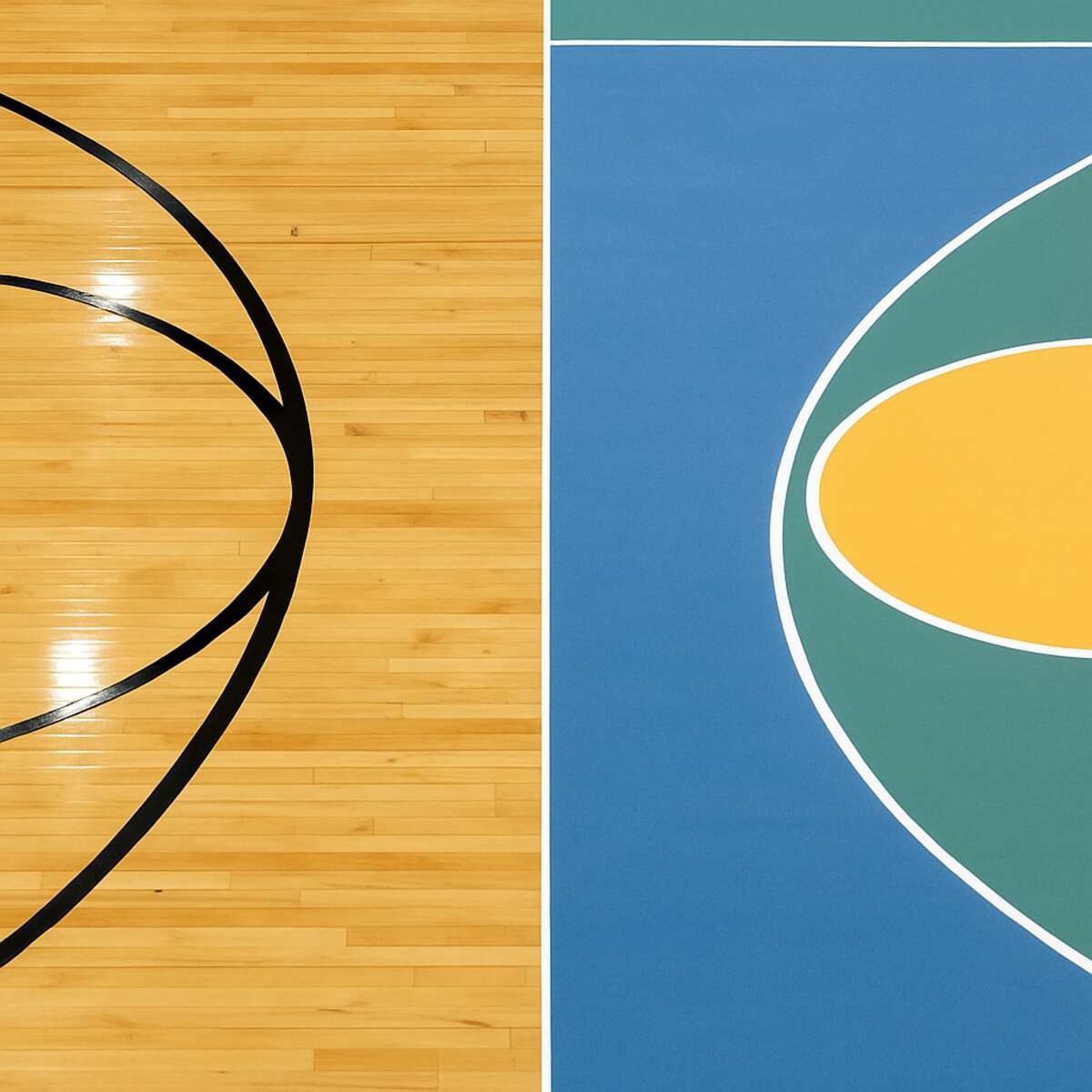
The squeak of sneakers, the rhythmic thump of a dribbled ball—these sounds are the heartbeat of any gymnasium. But beneath the familiar gloss of the court lies a hidden world of science. That shiny gymnasium flooring isn’t just wood or vinyl; it’s a high-performance safety system, engineered more like a car’s suspension than a typical floor. What you see is only part of the story. Best way to find the gymnasium flooring.
Choosing the right surface is one of the most critical decisions a school or community center can make, with a direct impact on both athlete safety and long-term budgets. A floor that’s too hard can contribute to joint stress and injuries, while one that’s too soft can feel sluggish and unresponsive. Finding durable school gym floor options means balancing the immediate needs of players with the financial reality of maintenance and longevity.
Ultimately, great athletic court surfaces deliver on three core promises. First is safety, providing enough shock absorption to cushion an athlete’s joints during a jump or a fall. Second is performance, ensuring a consistent and predictable ball bounce for fair play. And third is versatility, with the resilience to handle everything from championship games to school assemblies and community events.
The Big Two: Classic Hardwood vs. Versatile Synthetic Floors
When you picture a classic gymnasium, you’re likely thinking of a gleaming maple hardwood court. For decades, northern hard maple has been the gold standard for sports like basketball and volleyball. Its dense grain provides an unmatched, consistent ball bounce and the perfect “squeak” that players rely on for feedback. For facilities dedicated purely to sport, especially at competitive levels, nothing quite matches the performance and feel of traditional hardwood.
But what happens when your gym needs to be a jack-of-all-trades? That’s where synthetic surfaces shine. These durable school gym floor options—typically made from materials like vinyl, polyurethane, or rubber—are the workhorses of the flooring world. They are designed to handle everything from a P.E. class and a basketball game to assemblies with thousands of chairs and even school dances. While they offer excellent shock absorption, their main advantage is versatility and easier maintenance, making them ideal for any multi-purpose sports hall.
This presents a clear trade-off between specialized performance and all-around utility. The decision often comes down to the primary use of the space.
- Maple Hardwood:
- Pro: Unmatched ball response and pro-level performance.
- Con: Higher cost and sensitive to moisture and heavy, non-athletic use.
- Synthetic Surfaces (Vinyl, Rubber, etc.):
- Pro: Extremely durable, easy to clean, and great for multi-purpose use.
- Con: The ball bounce and feel can differ from traditional wood.
Ultimately, the choice between maple hardwood vs vinyl sports flooring (or other synthetics) depends on the gym’s main job. But regardless of the material you see on top, every great floor system is judged on how well it performs three essential tasks: keeping athletes safe, providing a predictable bounce, and offering the right amount of grip.
The 3 Jobs of a Great Gym Floor: Safety, Bounce, and Grip
Whether it’s classic hardwood or a modern synthetic, the surface you see is only half the story. The best gym floors are carefully engineered systems designed to perform three critical jobs at once. They have to protect athletes, ensure fair play, and provide reliable traction. It’s a delicate balancing act where safety and performance go hand in hand, and getting it right is a science.
First and foremost, a floor must protect the human body. Think about the difference between jumping on solid concrete versus a cushioned running track. That “give” is what experts call shock absorption. A proper shock absorbent athletic flooring system is designed to flex slightly under an athlete’s impact, dissipating force that would otherwise jolt their ankles, knees, and spine. This single feature is the most important factor in preventing long-term stress injuries from thousands of jumps, sprints, and falls.
Beyond safety, the floor is an active participant in the game itself. For sports like basketball, consistent ball bounce is non-negotiable. If you’re wondering what is the best material for a basketball court, the answer often comes down to which surface provides the most predictable rebound. At the same time, the floor needs the right amount of surface friction, or grip. Too little, and players slide as if on ice; too much, and their shoes can stick, leading to dangerous ankle and knee twists. That iconic squeak of sneakers is the sound of a floor hitting the perfect balance between grip and give.
Achieving this trifecta of safety, bounce, and grip is what separates a basic floor from a high-performance athletic surface. In fact, organizations have exacting standards for these qualities, which are required for something like NCAA approved court surfaces. But how does a single floor manage to be forgiving enough for a fall yet firm enough for a perfect dribble? The secret isn’t just in the polished top layer, but in the hidden architecture working beneath it.
The Secret Layer: Why the Floor Under the Floor is What Matters Most
That hidden architecture is called the subfloor, and it’s the unsung hero of every great gymnasium. It is an engineered system of shock-absorbing pads, channels, or sleepers that sits between the concrete foundation and the visible playing surface. While the top layer of wood or vinyl provides the bounce and grip, this concealed layer is almost entirely responsible for providing the shock absorption. The complex sports floor installation process is focused on making these two layers work together in perfect harmony.
The best way to understand its importance is to think of a car’s suspension. Driving a car with no suspension would be a jarring, bone-rattling experience. The suspension absorbs bumps in the road, protecting both the vehicle and its passengers. A gym’s subfloor does the exact same thing for an athlete’s body. It cushions every landing and absorbs the impact of falls, dramatically reducing stress on joints. This is true for all modern athletic surfaces, including the increasingly popular cushioned vinyl gym floor systems.
Ultimately, this hidden layer is what separates a beautiful floor from a safe one. The specific design of this system is what allows a gym to meet the strict subfloor requirements for athletic flooring, ensuring it protects athletes from fatigue and injury over the long term. This multi-layered, high-performance approach is far more complex than standard flooring, which begins to explain why investing in a proper gym floor is a significant undertaking for any school or community center.
The Sticker Shock: Unpacking the Real Cost of a New Gym Floor
This level of hidden engineering makes a new gym floor a major financial commitment. So, how much does a new gym floor cost? While prices vary based on materials and location, a complete, professional installation typically falls somewhere between $6 and $15 per square foot, and sometimes even more. That wide range exists because you’re not just buying flooring; you’re investing in an entire performance system from the ground up.
That all-in price tag includes far more than the shiny surface you see. It covers the crucial subfloor system, the surface material itself, the highly specialized labor of the sports floor installation process, and all the finishing touches like painting game lines and logos. Think of it less like buying rolls of carpet and more like building a custom piece of safety equipment. The material is just one part of the final engineered product that ensures performance and durability.
This expense should be viewed not as a cosmetic update, but as a major capital improvement, much like putting a new roof on the building. This is a long-term investment in the safety of athletes and the day-to-day usability of the facility for decades to come. A properly installed system can last 40 years or more with the right care, making it a far more economical choice than repeatedly resurfacing a worn basketball court that fails to perform safely.
Keeping the Shine: A Simple Guide to Gym Floor Cleaning and Care
After investing so much in a high-performance floor, the single most important job is protecting it. Surprisingly, the biggest threat isn’t a dramatic spill but the fine dust and grit tracked in on shoes every day. Under the pressure of running feet, this debris acts like sandpaper, slowly grinding away the floor’s protective finish. That’s why the secret to how to clean a hardwood basketball court effectively is daily dust mopping with a large microfiber mop. This one simple task removes the abrasive particles before they can cause lasting harm.
When it’s time for a deeper clean, it’s crucial to remember that water is the enemy of a hardwood court. Using a traditional string mop and bucket is a recipe for disaster, as excess moisture can seep between the boards, causing swelling and buckling that may require expensive gym floor water damage repair. The floor’s specialized finish is also sensitive, which is why sticking to a proven method is non-negotiable.
- DO use a large microfiber dust mop for daily cleaning.
- DON’T use a wet string mop and bucket of water.
- DO use an approved, pH-neutral floor cleaner recommended by the manufacturer.
- DON’T use generic household cleaners with ammonia or vinegar, which can strip the finish.
For those inevitable spills from a tipped water bottle or sports drink, speed is everything. The correct response is to wipe the spill up immediately with a dry, absorbent towel, ensuring no moisture is left behind. Consistent daily care and quick emergency cleanup are the keys to preserving the floor’s safety and shine for years. But even with perfect maintenance, every floor eventually shows its age, raising the question of what to do when wear and tear becomes too much to ignore.
From Worn to Wow: Bringing an Old Basketball Court Back to Life
Even the best-kept floors eventually show their age. Deep scratches, faded lines, and a dull, worn-down finish are signs that daily cleaning is no longer enough. When this happens, it’s time for a major makeover. Instead of a full replacement, schools and facilities often choose the more cost-effective option: a complete resurfacing. This process is like hitting a reset button, transforming a tired-looking court into one that looks and plays like new.
The process of resurfacing a worn basketball court is a dramatic transformation that takes the entire floor down to bare wood. Powerful sanding machines remove everything—the old finish, game lines, logos, and the top layer of wood damaged by years of use. This creates a fresh, clean canvas. After the dust settles, technicians apply a sealer to protect the raw maple, preparing it for its new look.
Next comes the visual artistry. This is the stage where a detailed athletic court line painting guide is used to precisely map out everything from the three-point arc to the free-throw lane. School logos and other graphics are also painted on, offering a perfect opportunity to update branding or conform to new league regulations. Once the paint is dry, multiple coats of specialized, durable finish are applied to protect the wood and provide that signature grip and shine.
However, this impressive revival has a critical limit. Because each full sanding removes a thin layer of the floor’s surface, a standard hardwood court can only endure this process three to five times over its entire lifespan. Once the wood becomes too thin to sand again, a full replacement is the only option left. This makes each resurfacing a strategic decision in managing the long-term life of the gym.
For the Big Leagues: When Do You Need a Portable Floor?
While resurfacing works for a permanent floor, some venues need more flexibility. Think of an arena that hosts hockey on Friday, a concert on Saturday, and a championship basketball game on Sunday. A permanent wood floor just isn’t practical. This is where portable courts shine. They are complete, high-performance systems made of hundreds of heavy, interlocking panels. When assembled, they create a surface with the same bounce and feel as a traditional court, building a professional gym from scratch.
The main reason for a portable vs permanent basketball court floor is versatility. Major events, like the NCAA Final Four, are often held in massive stadiums or multi-purpose arenas. A portable floor allows these venues to transform into a basketball mecca overnight. As NCAA approved court surfaces, they guarantee athletes get the same safety and performance as a permanent installation. The court is simply brought to the event.
The sports floor installation process is a huge logistical feat. An entire floor, often weighing over 70,000 pounds, arrives on semi-trucks. A trained crew works for hours, fitting hundreds of panels together and ensuring every piece is perfectly level. After the final buzzer, the entire process is reversed for storage. It’s an incredible undertaking reserved for high-stakes events, proving just how crucial the right playing surface is.
A Foundation for Safety and Performance
A gymnasium floor is far more than a shiny surface; it’s a critical piece of safety equipment engineered for performance and longevity. From the classic appeal of maple hardwood to the versatile durability of synthetic materials, the true value lies in the complete system—especially the hidden subfloor that absorbs impact and protects athletes. Understanding the balance between safety, ball response, and grip is key to choosing, installing, and maintaining a floor that serves a community for decades. Ultimately, the investment in a high-quality athletic surface is an investment in the long-term well-being of every person who steps onto the court.
