


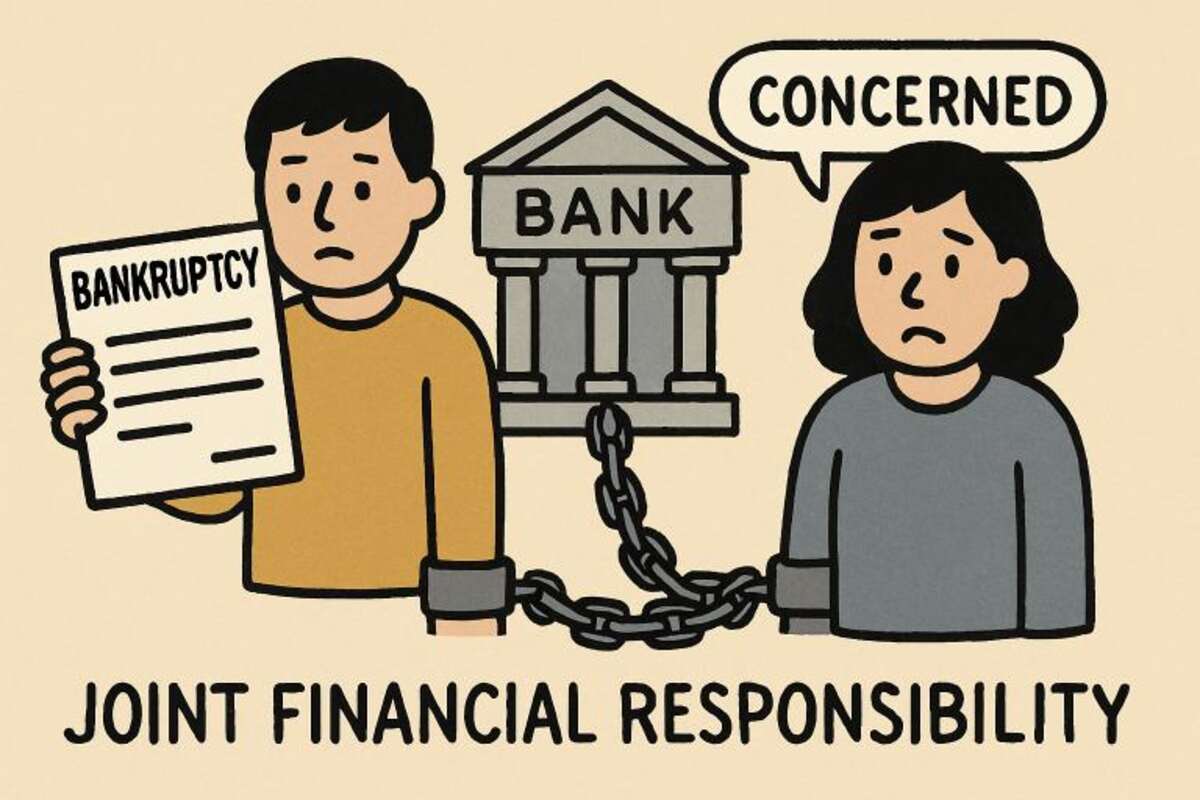
Understanding the Impact of Bankruptcy on Joint Accounts and Co-Signers
Bankruptcy relieves you of debt repayment obligations, but joint account holders and co-signers still bear full responsibility. The impact of bankruptcy depends on the bankruptcy type, typically Chapter 7 or 13, and understanding these differences is crucial for protecting family members.
Bankruptcy is often viewed as a way to escape overwhelming debt, but its effects extend far beyond the individual filing. If you have joint accounts or someone has co-signed a loan for you, that person could be negatively affected. This makes it essential to understand the specific risks before proceeding. For guidance tailored to your situation, consulting with a qualified bankruptcy lawyer Plymouth can clarify your next steps and minimize negative impacts on your financial partners.
How Chapter 7 Bankruptcy Affects Co-Signers and Joint Accounts
Chapter 7 bankruptcy liquidates non-exempt assets to repay creditors and provide a fresh start. However, it only shields the person filing, not co-signers. Creditors can demand full repayment from co-signers, making them legally and financially responsible. Joint bank accounts may be considered part of the estate, requiring extensive documentation to avoid court collection.
How Chapter 13 Bankruptcy Offers Limited Protections
Chapter 13 bankruptcy differs from Chapter 7 in providing a structured repayment plan over three to five years. The “co-debtor stay” temporarily shields co-signers from creditor collection efforts during this time. But these protections aren’t absolute.
When the repayment plan won’t cover the entire debt or the co-signer is the primary beneficiary of the loan, creditors can ask the court to lift the co-debtor’s stay. If payments lapse or the plan is not followed, the stay can end abruptly, exposing co-signers again. Because of these nuances, a Chapter 13 filing may offer only limited—or contingent—protection. Clear communication with co-signers is crucial throughout the process.
Steps to Protect Co-Signers and Joint Account Holders
To protect co-signers and joint account holders in bankruptcy, it’s crucial to maintain open communication, keep detailed records, separate accounts before filing, and consult a bankruptcy attorney for professional advice. This ensures transparency, minimizes administrative burden, and ensures the best protection for all parties involved.
Conclusion
Bankruptcy’s impact on joint accounts and co-signers is significant, and failing to plan can create severe financial challenges for others tied to your debt. By understanding how bankruptcy law treats these relationships, proactively documenting account activity, and seeking advice from a professional, individuals can minimize the collateral damage of filing. Navigating this process with care and transparency not only protects your loved ones but also lays the groundwork for a more stable financial future after bankruptcy.
