


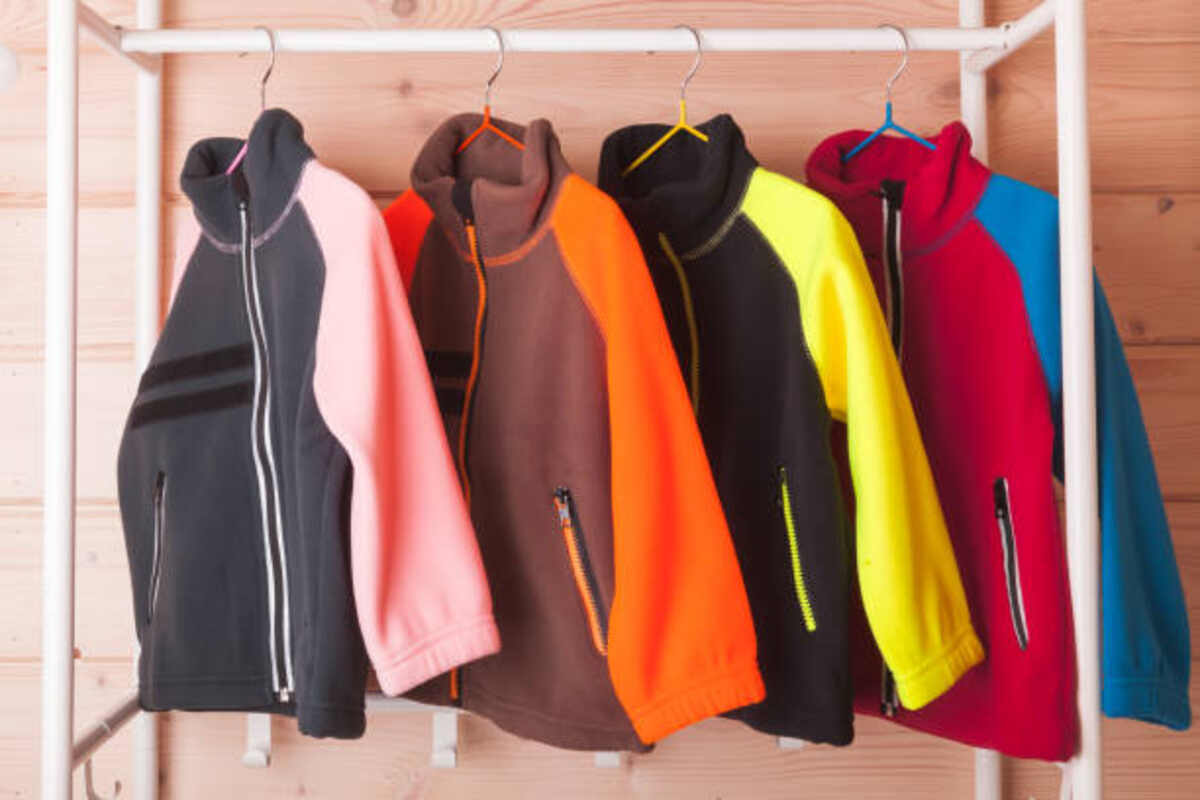
When choosing outdoor clothing, one of the most common dilemmas is deciding between fleece and softshell. Both materials are widely used in jackets and mid-layers, and each offers unique advantages depending on the environment and activity. Whether you are hiking, climbing, skiing, or simply walking around town, understanding the differences between fleece and softshell can help you make the right choice. Get the Best information about softshell vs fleece which is better.
In this article, we will explore the characteristics, benefits, and drawbacks of both materials to determine which is better—and when.
What Is Fleece?
Fleece is a synthetic fabric, usually made from polyester, designed to mimic the insulating properties of wool. It is known for being lightweight, soft, and highly effective at retaining heat.
Key Features of Fleece
Fleece is particularly popular because of its excellent warmth-to-weight ratio. It traps body heat efficiently while remaining breathable, making it ideal for cold but relatively dry conditions.
Another important feature is its quick-drying capability. Even if fleece gets wet, it dries much
faster than natural fibers like cotton. This makes it a reliable choice for activities where moisture is a concern.
Fleece is also very comfortable. Its soft texture makes it pleasant to wear directly against the skin, which is why it is often used as a mid-layer or even a base layer in colder climates.
Advantages of Fleece
- Excellent insulation
- Lightweight and packable
- Highly breathable
- Dries quickly
- Comfortable and soft
Disadvantages of Fleece
Despite its many strengths, fleece has some limitations. The biggest drawback is its lack of wind resistance. Even a light breeze can cut through fleece and reduce its insulating ability.
Additionally, fleece provides minimal protection against rain. While it can handle light moisture, it is not waterproof or even particularly water-resistant.
What Is Softshell?
Softshell is a more technical fabric designed to balance weather protection, breathability, and flexibility. It is typically made from woven synthetic materials and often includes a water-repellent coating.
Key Features of Softshell
Softshell garments are known for their versatility. They provide moderate insulation while also offering resistance to wind and light rain. This makes them ideal for active outdoor use in variable conditions.
One of the standout features of softshell is its stretch. Unlike fleece, softshell fabrics are often elastic, allowing for greater freedom of movement. This is especially important for activities like climbing or skiing.
Softshell jackets also tend to be more durable than fleece, thanks to their tightly woven structure.
Advantages of Softshell
- Wind-resistant
- Water-repellent
- Durable and abrasion-resistant
- Flexible and stretchable
- Suitable for active use
Disadvantages of Softshell
Softshell is not as warm as fleece when temperatures drop significantly. While it provides some insulation, it usually cannot match the heat retention of thicker fleece layers.
It is also generally heavier and less compressible, making it slightly less convenient for packing.
Fleece vs Softshell: Key Differences
Understanding the differences between fleece and softshell is essential for making the right choice.
Warmth
Fleece is the clear winner when it comes to insulation. If your main goal is to stay warm in cold conditions, fleece is usually the better option.
Softshell provides moderate warmth but is designed more for active movement rather than maximum heat retention.
Weather Protection
Softshell excels in protecting against wind and light rain. Its tightly woven fabric blocks wind effectively and often includes a water-repellent finish.
Fleece, on the other hand, offers little to no protection against wind or precipitation.
Breathability
Both materials are breathable, but fleece typically allows more airflow. This makes it better for low-intensity activities or as a layering piece.
Softshell is breathable as well, but its added weather protection slightly reduces airflow compared to fleece.
Mobility and Durability
Softshell is more durable and offers better stretch, making it ideal for dynamic activities. Fleece is softer but less resistant to abrasion and tearing.
When Should You Choose Fleece?
Fleece is the best choice in situations where warmth and comfort are the top priorities.
Ideal Uses for Fleece
- Cold, dry weather
- Low to moderate activity (walking, camping)
- Layering under a waterproof jacket
- Casual everyday wear
If you expect little wind or rain, fleece provides excellent insulation without unnecessary bulk.
When Should You Choose Softshell?
Softshell is better suited for active outdoor use and changing weather conditions.
Ideal Uses for Softshell
- Windy environments
- Light rain or snow
- High-intensity activities (hiking, climbing, skiing)
- Situations requiring durability and flexibility
If you need a single layer that can handle multiple conditions, softshell is often the more practical option.
Can You Use Both Together?
Absolutely. In fact, many outdoor enthusiasts combine fleece and softshell for optimal performance.
A common layering system includes:
- A base layer for moisture management
- A fleece layer for insulation
- A softshell or hardshell layer for protection
This combination allows you to adapt to changing weather and activity levels, ensuring both comfort and performance.
Which Is Better Overall?
The answer depends entirely on your needs.
If you prioritize warmth, comfort, and lightweight insulation, fleece is the better choice. It excels in cold, dry conditions and works perfectly as part of a layering system.
If you need protection from wind and light rain while staying active, softshell is the superior option. Its versatility and durability make it ideal for dynamic outdoor activities.
Final Thoughts
There is no universal winner in the fleece vs softshell debate. Each material serves a specific purpose, and the best choice depends on your environment, activity level, and personal preferences.
For many people, the smartest solution is not choosing one over the other, but understanding how and when to use each. By combining fleece and softshell strategically, you can create a flexible and effective outdoor wardrobe that adapts to any situation.
In the end, the “better” option is the one that keeps you comfortable, protected, and ready for your next adventure.
