


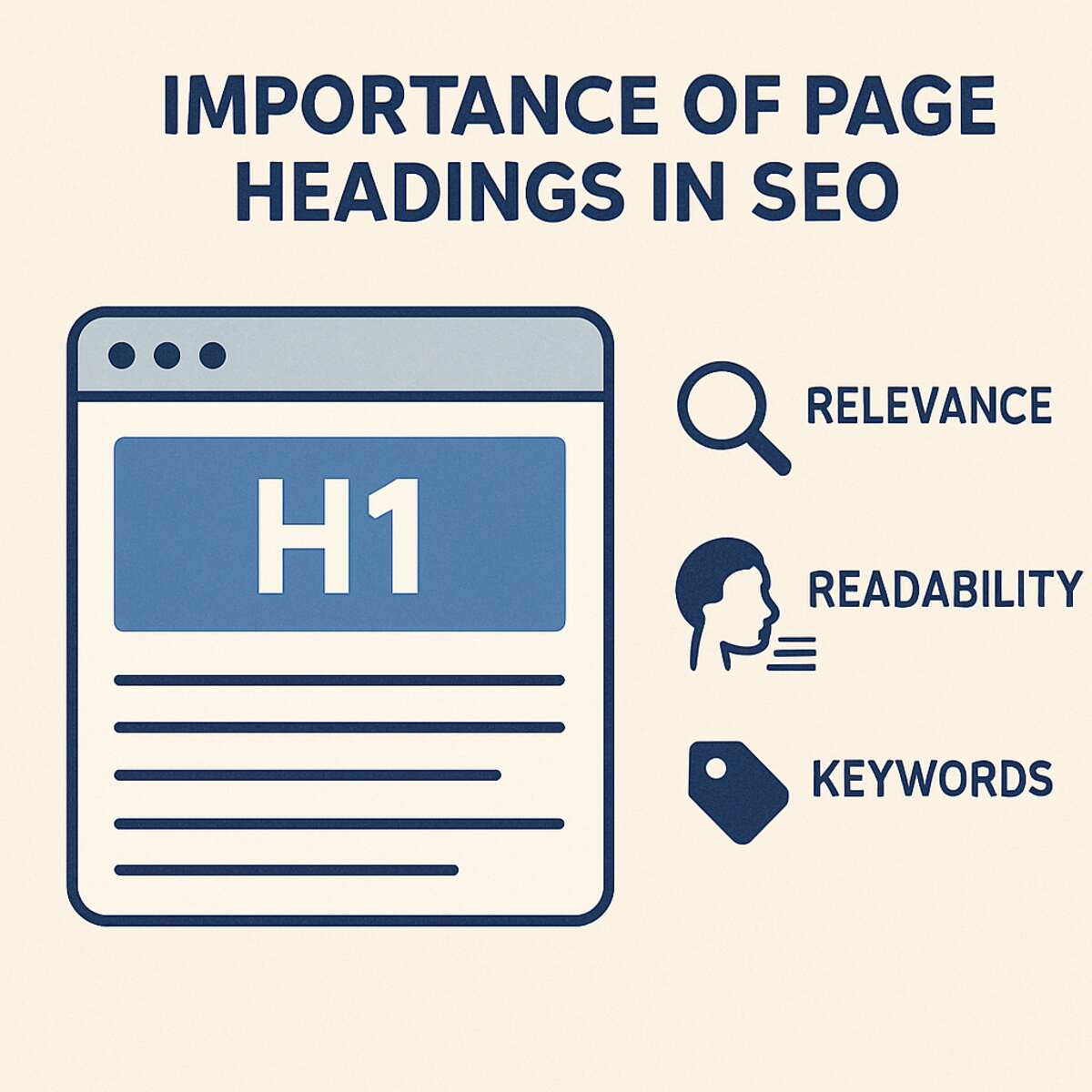
Page headings serve as the backbone of your content structure. They help organize your information, making it easier for readers to navigate and understand your material. In addition, search engines use headings to determine the main topics and relevance of your content. Proper heading structure enhances SEO by improving the way search engines index your pages, which in turn can increase your content’s visibility in search results. Tips on how to audit page headings?
The Role of Headings in User Experience
Headings play an essential role in guiding users through your content. They act as signposts, allowing readers to quickly identify the parts of the content that are most relevant to them. This enhances user experience by reducing the time and effort required to find information. In a digital age where attention spans are short, effective headings can be the difference between engaging a reader and losing them.
Headings and SEO: A Symbiotic Relationship
Search engines rely heavily on headings to ascertain the context and importance of different sections of your content. By properly structuring your headings, you provide search engines with a clear roadmap of your content, which can improve your rankings. Headings that are optimized for SEO not only help search engines but also make your content more appealing to readers by ensuring that it is organized and easy to digest.
Common Pitfalls in Heading Usage
Despite their importance, headings are often misused or overlooked. Common mistakes include using headings that are too vague, stuffing keywords in an attempt to manipulate search engine rankings, and failing to maintain a consistent heading style. These errors can detract from both the readability and SEO effectiveness of your content, underscoring the importance of a strategic approach to heading usage.
Step-by-Step Guide to Auditing Page Headings
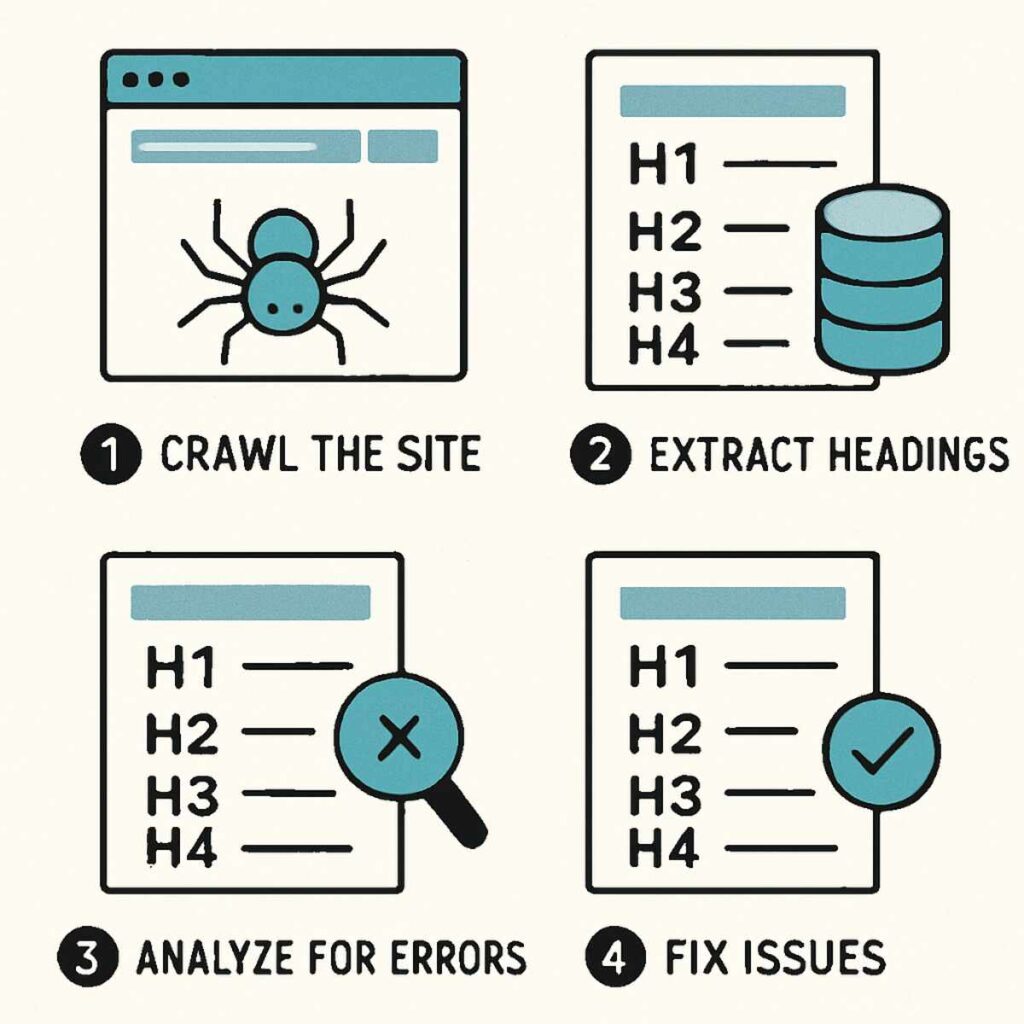
Auditing your page headings involves a systematic review of their structure, relevance, and effectiveness. This process ensures that your headings are serving their intended purpose and supporting both user experience and SEO goals.
Step 1: Assessing Heading Hierarchy
The hierarchy of headings is a critical aspect of content structure. A well-organized hierarchy helps convey the relationship between different sections and subsections.
Establishing a Clear H1
The H1 heading is the most prominent heading on a page, typically serving as the main title. It should encapsulate the primary focus of the content, setting the stage for what follows. A clear and concise H1 not only aids in SEO but also provides readers with a snapshot of the page’s content.
Utilizing H2 for Primary Sections
H2 headings are used to denote major sections within your content. These headings break down your content into manageable chunks, making it easier for readers to process. Each H2 should be distinct and relevant, providing a clear indication of the section’s focus.
Breaking Down Content with H3 and Beyond
For more detailed breakdowns, use H3, H4, and lower-level headings. These help to further organize content, making complex information more digestible. Each level should logically follow from the one above, creating a coherent and intuitive structure.
Step 2: Analyzing Heading Relevance
Each heading should be relevant to the content it introduces. Conduct a thorough analysis to ensure that your headings are directly related to the content that follows.
Conducting a Content Review
Review each section and its corresponding heading to ensure alignment. The heading should accurately reflect the content, guiding the reader’s expectations and providing a clear introduction to the information presented. Misalignment can confuse readers and undermine the effectiveness of your content.
Balancing Keywords and Readability
While keywords in headings can enhance SEO, overuse can harm readability. Strive to include keywords naturally without compromising the clarity or flow of your headings. Remember that your primary audience is human readers, and their experience should always take precedence.
Ensuring Consistency Across Headings
Consistency in heading style and structure is crucial for maintaining a professional appearance. Inconsistent headings can disrupt the flow of your content and make it appear disjointed. Establishing a uniform style guide for headings can help maintain consistency and improve the overall quality of your content.
Tools for Heading Structure Analysis
Leveraging tools can streamline the process of auditing page headings. Several tools are available that provide insights into your heading structure and offer suggestions for improvement.
Recommended Tools
Screaming Frog SEO Spider
Screaming Frog SEO Spider is a comprehensive tool that crawls your website, offering detailed insights into your heading structure. It identifies any issues with your headings, such as missing or duplicate H1 tags, and provides actionable recommendations for improvement.
Yoast SEO
Yoast SEO is a popular WordPress plugin that offers real-time analysis of your heading structure. It provides feedback on the effectiveness of your headings, suggesting improvements to enhance SEO and readability. This tool is particularly useful for those new to SEO or looking to optimize their content strategy.
Ahrefs and SEMrush
Both Ahrefs and SEMrush offer in-depth SEO analysis, including insights into heading structure. These tools provide competitive analysis, allowing you to benchmark your heading effectiveness against industry standards and identify areas for improvement.
Common Mistakes in Page Headings
Understanding common pitfalls in heading usage can help you avoid them and improve the effectiveness of your content.
Overuse of Headings
Using too many headings can clutter your content and confuse readers. Strive for balance and only use headings when necessary to break down complex information.
Cluttering Content with Excessive Headings
Overusing headings can create a fragmented reading experience, making it difficult for readers to follow your content. Instead, focus on creating a logical and streamlined structure that enhances the flow of information.
Striking the Right Balance
Finding the right balance between too few and too many headings is key. Use headings judiciously to highlight important sections, ensuring that each one adds value and clarity to your content.
Simplifying Complex Information
Headings should simplify complex information, not complicate it. Use them to break down detailed content into manageable sections, making it easier for readers to understand and retain information.
Inconsistent Heading Styles
Consistency is key. Ensure that your headings follow a uniform style throughout your content. Inconsistent styles can disrupt the flow and make your content appear unprofessional.
Maintaining Uniformity
Consistency in heading style contributes to a professional and polished appearance. Establishing a style guide for headings can help maintain uniformity, ensuring that your content is cohesive and easy to navigate.
The Impact of Inconsistency
Inconsistent heading styles can confuse readers and detract from the credibility of your content. By maintaining a consistent approach, you enhance readability and establish trust with your audience.
Creating a Style Guide
Developing a style guide for headings can help ensure consistency across your content. This guide should outline the hierarchy, style, and formatting of headings, providing clear guidelines for content creators to follow.
Lack of Descriptive Language
Headings should be descriptive and informative. Avoid generic headings that fail to provide specific insights into the content that follows.
Crafting Descriptive Headings
Descriptive headings provide clear insights into the content that follows, guiding readers and setting expectations. Use specific language that accurately reflects the content, enhancing both clarity and engagement.
Avoiding Generic Language
Generic headings fail to provide value, leaving readers unsure about the content’s focus. Instead, use specific and informative language that captures the essence of each section.
Engaging Readers with Descriptive Language
Descriptive headings engage readers by providing a clear roadmap of your content. By using language that is both informative and compelling, you capture reader interest and encourage them to explore further.
Practical Exercises for Improving Page Headings
Practical exercises can help you refine your heading strategies and improve the overall quality of your content.
Exercise 1: Heading Revisions
Select a piece of your own writing and review the headings. Evaluate their effectiveness in terms of clarity, hierarchy, and relevance. Revise any headings that do not meet these criteria.
Identifying Weaknesses
Begin by identifying headings that lack clarity or relevance. Consider whether each heading accurately reflects the content and provides value to the reader. This process will help you pinpoint areas for improvement.
Implementing Revisions
Once you have identified weaknesses, implement revisions to enhance clarity and relevance. Focus on creating headings that are concise, informative, and aligned with the content they introduce.
Evaluating Improvements
After revising your headings, evaluate the impact of these changes on your content’s readability and engagement. Consider feedback from peers or readers to assess the effectiveness of your revisions and make further adjustments as needed.
Exercise 2: Peer Review
Engage with a peer to review each other’s heading structures. Provide constructive feedback on areas for improvement and discuss strategies for enhancing heading effectiveness.
Conducting a Peer Review
During a peer review, exchange content with a colleague or fellow writer. Review each other’s headings, focusing on elements such as hierarchy, relevance, and clarity. This collaborative process can provide valuable insights and fresh perspectives.
Providing Constructive Feedback
Offer constructive feedback to your peer, highlighting areas of strength and opportunities for improvement. Use specific examples to illustrate your points and provide actionable suggestions for enhancing heading effectiveness.
Implementing Peer Suggestions
Incorporate the feedback you receive from your peer into your own content. Use their insights to refine your heading strategies, ensuring that your content is both engaging and effective.
Conclusion
Auditing page headings is an integral part of content optimization. By implementing the strategies outlined in this guide, you can ensure that your headings are clear, concise, and relevant. This not only enhances the reader’s experience but also improves your content’s SEO performance. Remember, effective headings are not just about organization; they are about making your content accessible and engaging for your audience. As you refine your heading strategies, you will see improvements in both readability and searchability, ultimately leading to greater success in your content endeavors.
The Ongoing Process of Optimization
Heading optimization is an ongoing process that requires regular review and refinement. Continuously assess your content and headings, making adjustments as needed to keep pace with changing SEO trends and reader preferences.
Celebrating Success
As you see improvements in engagement and search rankings, take time to celebrate your successes. Recognize the impact of effective headings on your content strategy, and use these achievements as motivation to continue refining and optimizing your approach.
Looking to the Future
Stay informed about emerging trends and technologies that may impact heading strategies. By keeping your finger on the pulse of the industry, you can adapt your approach to stay ahead of the curve and ensure the continued success of your content.
