


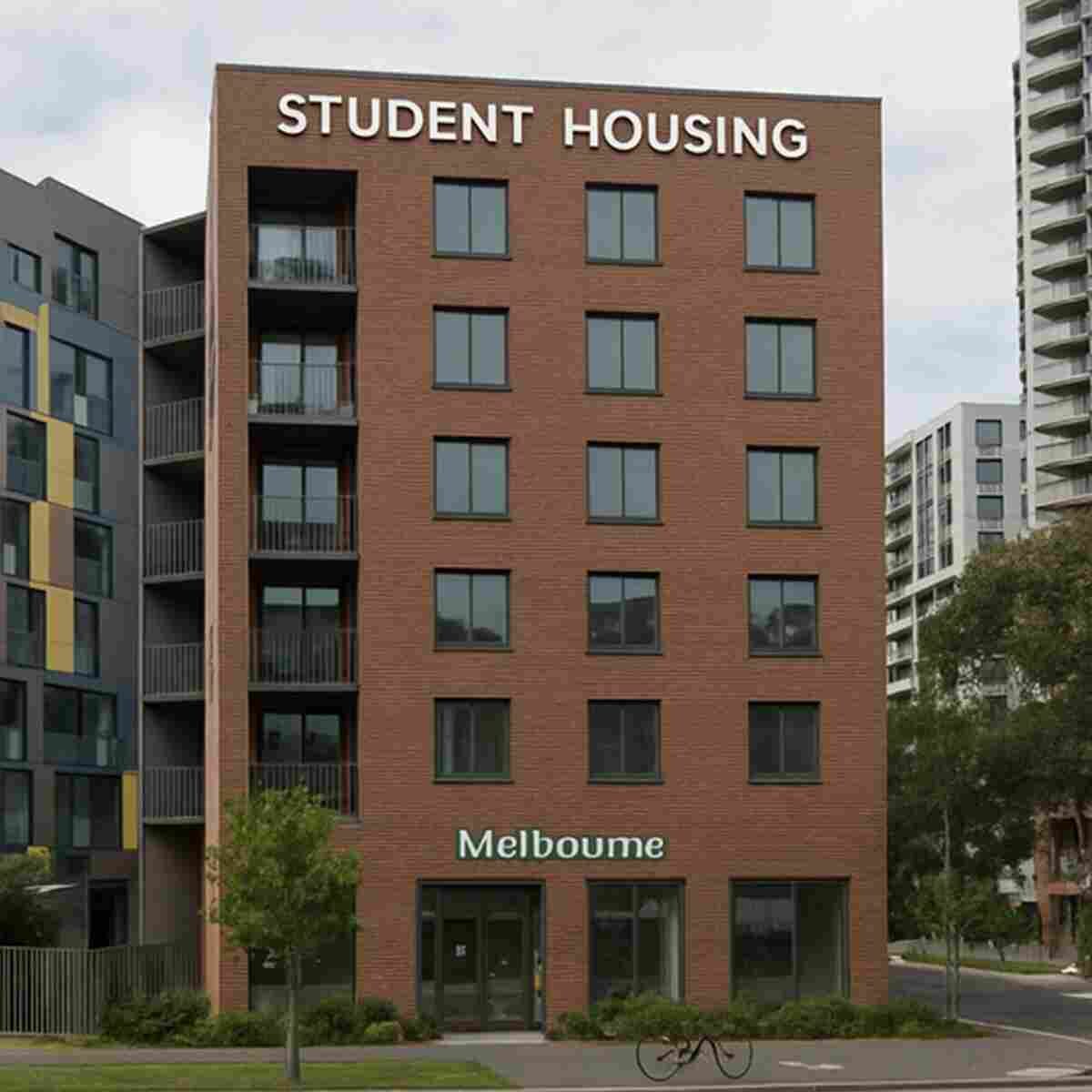
Melbourne, renowned for its vibrant culture and diverse population, is a prime destination for international students. Known for its top-notch educational institutions and lively city life, Melbourne attracts students from around the globe. However, understanding the cost of living is crucial for anyone considering studying abroad in Melbourne. This guide will help you navigate the expenses you can expect as a student in this dynamic city. Check out メルボルン留学 to know more
One of the most significant aspects of living in Melbourne is housing. Depending on your preferences and lifestyle, costs can vary widely.
Many universities in Melbourne offer on-campus housing options, which can be a convenient choice for students. These residences provide furnished rooms and include utilities in the rent. On average, the cost for on-campus housing ranges from AUD 200 to AUD 300 per week. Additionally, living on-campus often means being closer to classes and campus resources, which can save time and money on transportation. It also provides a built-in community, making it easier for international students to make friends and adjust to university life. Furthermore, universities often organize events and activities for residents, fostering a lively and engaging environment.
If you prefer living off-campus, you can choose between sharing an apartment or renting your own space. Shared accommodations are popular among students, as they help split costs and foster a sense of community. The average rent for shared apartments ranges from AUD 150 to AUD 250 per week. Renting a one-bedroom apartment might cost you around AUD 350 to AUD 550 per week. When considering off-campus housing, it’s essential to factor in additional expenses such as utilities and internet, which may not be included in the rent. Many students find off-campus living offers more independence and a chance to experience Melbourne’s neighborhoods more authentically. It’s also worth exploring different suburbs, as rental prices can vary significantly depending on the location.
Homestay Programs
Homestay programs offer another option, allowing students to live with a local family. This can be a culturally enriching experience and usually costs between AUD 250 and AUD 350 per week, including meals. Living with a local family can provide unique insights into Australian culture and lifestyle, enhancing your study abroad experience. Homestays are often ideal for younger students or those who prefer a more structured living environment. Moreover, the inclusion of meals can be a financial relief, as it reduces the need to budget for groceries and dining out.
Food and Groceries
Melbourne is a food lover’s paradise, offering everything from gourmet dining to budget-friendly options. Cooking at home is generally more affordable than eating out.
Grocery Shopping
Weekly grocery bills typically range from AUD 60 to AUD 100, depending on dietary preferences and shopping habits. Supermarkets like Coles, Woolworths, and Aldi provide a range of options to suit various budgets. For those looking to save more, visiting local markets can be an excellent way to purchase fresh produce at lower prices. Melbourne’s multicultural population means that specialty grocery stores offer diverse ingredients, catering to international tastes. Planning meals ahead of time and buying in bulk can also help reduce grocery costs significantly.
Dining Out
If you enjoy dining out occasionally, Melbourne’s diverse culinary scene won’t disappoint. A meal at an inexpensive restaurant might cost around AUD 15, while a three-course meal at a mid-range restaurant can set you back approximately AUD 40 to AUD 70. Melbourne is famous for its coffee culture, so indulging in a café visit is a must, with prices for a cup ranging from AUD 3 to AUD 5. Street food and food trucks provide delicious and affordable options for students on the go. Additionally, many restaurants offer student discounts or special deals on certain days of the week, making dining out more accessible.
Eating on a Budget
For students looking to stretch their dollars further, there are plenty of ways to eat well without overspending. Many eateries offer lunch specials or happy hour deals, perfect for budget-conscious diners. Cooking at home and preparing meals in batches can save both time and money, while also ensuring a nutritious diet. Joining a food cooperative or community kitchen can provide access to discounted groceries and cooking facilities. By exploring different dining options and being mindful of spending, you can enjoy Melbourne’s culinary delights without breaking the bank.
Transportation Costs
Melbourne boasts an efficient public transportation system, making it easy for students to navigate the city.
Public Transport

The myki card is your key to the city’s trains, trams, and buses. Full-time international students can apply for a concession card, which reduces the cost of public transport. A monthly pass with a concession card costs about AUD 60. Melbourne’s public transport system is extensive, covering metropolitan areas and allowing easy access to universities and other city attractions. Planning your travel during off-peak hours can also help you save money on fares. Additionally, the city’s trams are free within the central business district, offering a cost-effective way to explore downtown Melbourne.
Cycling
For those who prefer a more active mode of transportation, cycling is a popular choice in Melbourne. The city has numerous bike lanes and paths, and purchasing a second-hand bicycle can be a cost-effective option. Cycling not only helps save money on transport but also promotes a healthy lifestyle. Many universities offer secure bike parking and facilities for cyclists, making it a convenient choice for students. Participating in cycling groups or events can also be a great way to meet new people and explore the city.
Walking and Car Sharing
Walking is a simple yet effective way to get around Melbourne, especially for those living close to campus. It’s not only economical but also a great way to discover the city’s hidden gems and enjoy its vibrant streetscapes. For longer distances, car-sharing services like GoGet or Flexicar provide an alternative to owning a car, allowing you to rent vehicles on an as-needed basis. This can be particularly useful for weekend trips or when public transport doesn’t cover your destination.
Entertainment and Leisure
Balancing academics with leisure is essential for a fulfilling study abroad experience. Melbourne offers a plethora of activities to enjoy during your downtime.
Cultural Experiences
Melbourne is rich in cultural experiences, from art galleries to music festivals. Many of these activities are free or offer student discounts. The National Gallery of Victoria, for example, offers free entry to its permanent collection. The city’s vibrant arts scene includes theater performances, film screenings, and live music, catering to all tastes and budgets. Exploring Melbourne’s diverse neighborhoods can also lead to unique cultural discoveries, from street art in Fitzroy to the historic sites in Carlton. Participating in cultural events not only enriches your experience but also provides opportunities to connect with locals and fellow students.
Fitness and Sports
Staying active is easy with the city’s numerous parks, gyms, and sports facilities. University gyms often offer discounted memberships for students, costing around AUD 30 to AUD 60 per month. Melbourne’s parks provide excellent venues for jogging, cycling, or simply enjoying a picnic with friends. Joining a sports club or team can be a fantastic way to stay fit and make new friends. Many universities also offer recreational programs and intramural sports, providing a fun and inclusive environment for all skill levels.
Nightlife and Socializing
Melbourne’s nightlife is as diverse as its population, offering everything from laid-back pubs to vibrant nightclubs. Many venues offer student nights with discounted entry fees and drink specials. Exploring the city’s laneway bars and rooftop venues can lead to memorable nights out with friends. For those who prefer a quieter evening, Melbourne’s cafes and live music venues provide a relaxed atmosphere to unwind. Engaging with the local social scene is an excellent way to immerse yourself in Melbourne’s culture and make lifelong memories.
Health and Insurance
Health insurance is a mandatory requirement for international students in Australia.
Overseas Student Health Cover (OSHC)
OSHC is designed to help international students meet the costs of medical and hospital care. The cost of OSHC can vary, but students should budget approximately AUD 500 to AUD 600 per year. This insurance covers doctor visits, hospital treatment, and some prescription medicines. It’s essential to understand what your OSHC policy includes and how to access healthcare services in Melbourne. Universities often provide support and resources to help students navigate the healthcare system and make the most of their insurance coverage.
Accessing Healthcare Services
Melbourne has a wide range of healthcare facilities, from public hospitals to private clinics, ensuring students can access the care they need. Many universities have on-campus health centers, offering convenient and affordable services for students. It’s crucial to register with a local doctor or general practitioner (GP) to access regular medical care. Understanding how to make appointments and use your OSHC benefits will ensure you receive the necessary medical attention promptly.
Mental Health and Wellbeing
Studying abroad can be both exciting and challenging, and it’s important to prioritize mental health and wellbeing. Melbourne’s universities offer counseling services and support programs to help students manage stress and navigate cultural adjustments. Engaging in activities like yoga, meditation, or mindfulness can also promote mental wellbeing. Building a support network of friends, family, and university staff can provide valuable emotional resources during your time in Melbourne.
Miscellaneous Expenses
It’s wise to budget for miscellaneous expenses such as clothing, personal care products, and mobile phone plans. These costs can vary, but a typical monthly budget might include:
- Clothing and personal items: AUD 50 to AUD 100
- Mobile phone plan: AUD 20 to AUD 40
- Study materials: AUD 30 to AUD 50
Clothing and Personal Items
Melbourne’s climate requires a versatile wardrobe, with warm clothing for winter and lighter garments for summer. Shopping during sales or at discount outlets can help you find stylish clothing without overspending. Many students also explore second-hand shops or online marketplaces for affordable fashion. Personal care products are widely available, and buying in bulk or opting for generic brands can reduce costs.
Mobile and Internet Plans
Staying connected is essential, and finding the right mobile and internet plan can save you money. Many providers offer student discounts or prepaid plans with no lock-in contracts, providing flexibility. Comparing different providers and plans can help you find the best deal for your usage needs. It’s also worth considering family or shared plans if you have friends or roommates to split the costs.
Study Materials and Supplies
Purchasing textbooks and study materials can be a significant expense, but there are ways to save. Renting textbooks, buying second-hand, or utilizing digital versions can reduce costs. Many universities also provide access to online resources and libraries, minimizing the need for physical books. Budgeting for stationery and study supplies ensures you’re prepared for your academic commitments without unexpected expenses.
Part-Time Work Opportunities
Many students choose to work part-time to help cover their living expenses. International students in Australia can work up to 20 hours per week during the academic year and full-time during holidays.
Types of Part-Time Jobs
Common student jobs include retail, hospitality, and tutoring, with wages typically ranging from AUD 20 to AUD 30 per hour. Retail positions in shops and supermarkets offer flexible hours, making them suitable for students. Hospitality roles in cafes, restaurants, and bars provide opportunities to earn tips and develop customer service skills. Tutoring or academic support positions allow students to leverage their knowledge while gaining valuable teaching experience.
Balancing Work and Study
Balancing part-time work with academic responsibilities requires careful time management. Prioritizing your coursework and creating a schedule can help ensure you maintain academic performance. Many universities offer career services to assist students in finding suitable job opportunities and developing employability skills. Working part-time not only provides financial benefits but also enhances your resume and professional experience.
Networking and Career Development
Part-time work provides valuable networking opportunities, connecting you with professionals in your field of interest. Building relationships with employers and colleagues can lead to future job prospects and career advancement. Engaging in internships or volunteer work related to your studies can further enhance your skills and industry knowledge. By actively seeking out these experiences, you can maximize the benefits of working while studying in Melbourne.
Conclusion
Studying abroad in Melbourne is an exciting opportunity that comes with various living costs. By understanding and planning for these expenses, you can better manage your finances and enjoy your time in this vibrant city. Whether it’s through budgeting wisely, taking advantage of student discounts, or finding part-time work, you can make your study abroad experience both enriching and affordable.
Remember, the cost of living can vary based on lifestyle choices, so it’s essential to tailor your budget to your personal needs and preferences. With careful planning, your time in Melbourne will be a rewarding chapter in your academic journey. Embrace the cultural diversity and opportunities Melbourne offers, and make the most of your experience in this dynamic city. By being proactive and resourceful, you can create lasting memories and achieve your academic goals while enjoying all that Melbourne has to offer.
