


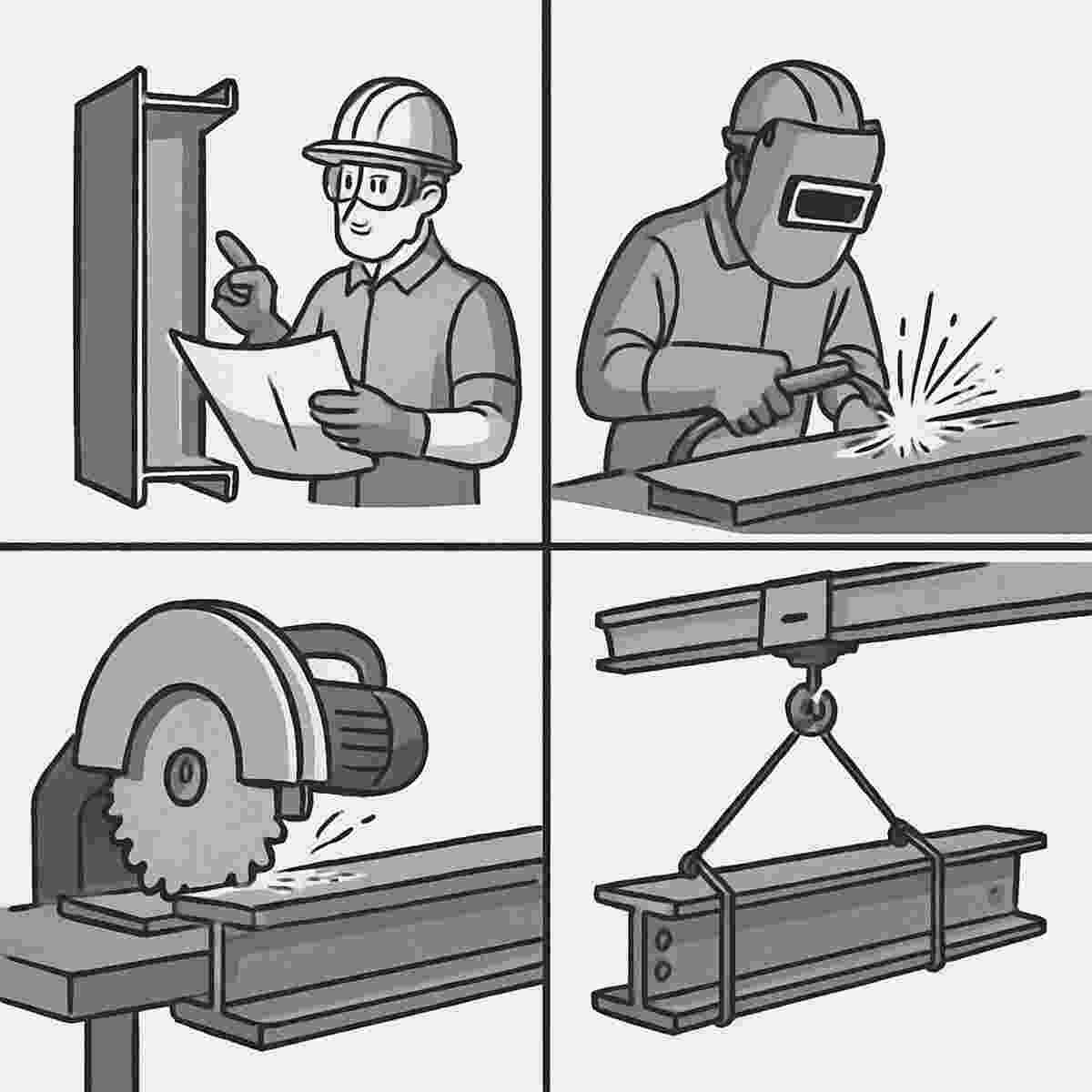
Before you can choose the right manufacturer, it’s essential to understand what steel fabrication services entail. Steel fabrication is the process of cutting, bending, and assembling steel to create structures. The right manufacturer will offer a comprehensive range of services, from design to delivery, ensuring a seamless building process. Sort out the steel building manufacturers.
The Steel Fabrication Process
Steel fabrication begins with precise cutting, which is crucial for fitting components together accurately. This phase often uses advanced machinery to ensure precision and minimize waste. Following cutting, the steel is bent to specific angles, a step that requires expert handling to maintain the material’s integrity. Finally, assembling the pieces into the desired structure is both an art and science, requiring skilled labor to ensure durability and safety.
Full-Service Offerings
A reputable manufacturer will provide full-service offerings that encompass every stage of the project. From initial consultations and custom designs to fabrication and on-site assembly, their expertise should cover all facets of steel building construction. This all-in-one service not only ensures quality but also simplifies communication, as you deal with a single point of contact throughout the project.
Importance of Technological Integration
In today’s fast-paced world, leveraging technology in steel fabrication can significantly enhance efficiency and accuracy. Manufacturers utilizing state-of-the-art software for design and planning can offer more precise and innovative solutions. This technological integration ensures that the building process is not only faster but also more adaptable to specific client needs.
Why Steel?
Steel is a popular choice for buildings due to its durability, flexibility, and cost-effectiveness. It can withstand harsh weather conditions and is resistant to pests and fire. Plus, steel buildings are relatively quick to assemble, which can save you time and money.
Durability and Longevity
One of the most compelling reasons to choose steel is its unparalleled durability. Steel structures can withstand severe environmental conditions, including heavy snow, strong winds, and seismic activities, without compromising structural integrity. This durability ensures that your investment will stand the test of time, providing long-term value.
Flexibility in Design
Steel’s inherent flexibility allows architects and builders to explore a wide range of design possibilities. Whether you’re interested in a modern aesthetic or a more traditional look, steel can be molded to fit any architectural style. This flexibility extends to modifications, where steel structures can be easily expanded or altered to meet changing needs.
Environmental and Economic Benefits
From an environmental perspective, steel is a sustainable building material. It is highly recyclable, reducing the carbon footprint associated with new construction. Economically, steel structures offer significant cost savings in the long run due to reduced maintenance requirements and energy efficiency. These factors make steel an attractive option for environmentally conscious and budget-savvy builders.
Researching Steel Building Suppliers
Once you understand the basics, it’s time to research potential suppliers. Here’s how:
Check Their Experience
Experience matters! Look for suppliers who have been in the business for several years and have a track record of successful projects. Experienced manufacturers are more likely to understand the nuances of steel fabrication and can handle any challenges that arise during the project.
Evaluating Years in Business
The number of years a supplier has been in business can be a strong indicator of their reliability and expertise. A long-standing presence in the industry suggests a proven track record of customer satisfaction and project success. These companies likely have the knowledge to navigate complex projects and can provide insights based on years of experience.
Reviewing Past Projects
It’s beneficial to examine the supplier’s portfolio of past projects. Look for diversity in their work, as this indicates their ability to handle various types of structures and design challenges. A diverse portfolio demonstrates adaptability and creativity, crucial traits for meeting unique client needs.
Understanding Industry Specializations
Some manufacturers may specialize in specific types of steel buildings, such as industrial warehouses or residential homes. Identifying their area of expertise can help ensure they are well-equipped to meet your specific project requirements. Choosing a manufacturer whose strengths align with your needs can lead to a more efficient and successful building process.
Read Reviews and Testimonials
Don’t just take their word for it. Check online reviews and testimonials from previous customers. This can give you insight into the company’s reliability, quality of work, and customer service.
Analyzing Customer Feedback
Customer feedback is invaluable in assessing a manufacturer’s reputation. Look for patterns in reviews, such as consistently praised qualities or recurring complaints. Positive feedback on communication, quality, and timeliness can be reassuring, while frequent negative remarks should raise concerns.
Validating Reviews
Not all reviews are created equal. It’s important to consider the credibility of sources when evaluating testimonials. Verified reviews on reputable platforms carry more weight than anonymous postings. Additionally, reaching out to the reviewer for more details can provide deeper insights into their experience.
Weighing Negative Reviews
Negative reviews are not necessarily a deal-breaker. Instead, they can offer insights into potential challenges you might face. Pay attention to how the manufacturer responded to criticism; a constructive and professional response can demonstrate commitment to customer satisfaction and willingness to address issues.
Ask for Recommendations
Reach out to friends, family, or colleagues who have used steel building services. Their firsthand experiences can provide valuable insights and help you avoid any pitfalls.
Leveraging Personal Networks
Your personal and professional networks can be a goldmine of information. People who have undergone similar projects can offer honest assessments of their experiences. These firsthand accounts often highlight both strengths and weaknesses that might not be evident in public reviews.
Consulting Industry Experts
In addition to personal recommendations, consider consulting industry professionals. Architects, contractors, or engineers who regularly work with steel building manufacturers can provide expert advice. Their insights can help you make a more informed decision based on industry standards and best practices.
Evaluating Word-of-Mouth
Word-of-mouth recommendations carry significant weight because they stem from trust-based relationships. A recommendation from a trusted source often reflects a positive experience and satisfaction with the manufacturer’s performance. Prioritize these insights as they can guide you toward reputable and reliable suppliers.
Evaluating Steel Building Manufacturers
Now that you have a shortlist of potential suppliers, it’s time to evaluate them more closely.
Compare Prices
While cost shouldn’t be the only factor, it’s essential to ensure the manufacturer’s pricing aligns with your budget. Be wary of prices that seem too good to be true, as they often come with hidden costs or inferior quality.
Understanding Pricing Structures
Begin by understanding the pricing structures offered by different manufacturers. Some may offer all-inclusive packages, while others might charge separately for design, materials, and construction. Clarity on what is included in the quoted price helps avoid surprises later.
Identifying Hidden Costs
Be vigilant about potential hidden costs that could inflate the overall project budget. These might include transportation fees, taxes, or additional charges for customization. A transparent manufacturer will provide a detailed breakdown of costs upfront.
Balancing Cost and Quality
While price is a crucial consideration, it should not compromise quality. Striking the right balance between cost and quality ensures you receive value for your investment. Opt for manufacturers whose pricing reflects the quality of materials and workmanship they offer.
Assess Their Customer Service
Good customer service is crucial. Choose a manufacturer who listens to your needs, answers your questions, and keeps you informed throughout the process. You want someone who treats you as a partner in the project, not just another client.
Communication and Responsiveness
Effective communication is the cornerstone of good customer service. The manufacturer should be readily accessible, prompt in responding to inquiries, and proactive in providing updates. This level of engagement helps build trust and ensures a smooth collaboration.
Problem-Solving Approach
Assess how the manufacturer handles challenges or unexpected issues. A customer-focused company will prioritize finding solutions quickly and efficiently. Their problem-solving approach can significantly impact the project’s timeline and overall success.
Building a Collaborative Relationship
A successful project hinges on a collaborative relationship between you and the manufacturer. Choose a manufacturer who values your input and works with you to achieve your vision. This partnership approach fosters mutual respect and enhances the project’s outcome.
Inspect Their Previous Work
If possible, visit some of the buildings they’ve constructed. This will give you a tangible sense of their work quality and attention to detail.
Site Visits and Inspections
Arrange site visits to inspect completed projects. Seeing the manufacturer’s work firsthand allows you to assess the quality of materials, construction techniques, and finishes. Pay attention to details, as they often reflect the manufacturer’s commitment to excellence.
Evaluating Craftsmanship
Observe the craftsmanship in the structures you visit. Quality craftsmanship is evident in the precision of joints, alignment of components, and the overall aesthetic appeal. These aspects are indicators of the manufacturer’s skill and attention to detail.
Gathering Feedback from Building Owners
During site visits, take the opportunity to speak with the building owners. Their feedback can provide additional insights into the manufacturer’s performance and customer service. Owners can share their experiences regarding project timelines, communication, and post-construction support.
Understanding the Building Process
A good manufacturer will guide you through each step of the building process. Here’s what you can typically expect:
Design and Planning
The manufacturer should work with you to design a building that meets your specific needs. They’ll help with everything from floor plans to selecting the right materials and finishes.
Initial Consultations
The design and planning phase begins with initial consultations to understand your requirements and expectations. This stage involves discussing your vision, budget, and timeline. A thorough understanding of your needs ensures the final design aligns with your objectives.
Customizing Floor Plans
Customization is a key aspect of designing a steel building. The manufacturer should offer flexibility in floor plans to accommodate your specific use cases. This personalization ensures that the building layout optimally supports your intended activities.
Material and Finish Selection
Selecting the right materials and finishes is critical for achieving the desired aesthetic and functionality. The manufacturer should guide you through options that balance durability, cost, and appearance. Their expertise can help you make informed decisions that enhance the building’s performance.
Fabrication
Once the design is finalized, the manufacturer will begin fabricating the steel components. This involves cutting, bending, and assembling the steel to match the design specifications.
Precision in Cutting and Bending
Fabrication starts with precision cutting and bending to ensure components fit together seamlessly. Advanced machinery and skilled technicians are essential for maintaining accuracy and quality during this phase. Precision in fabrication minimizes material waste and ensures structural integrity.
Quality Control Measures
Implementing stringent quality control measures during fabrication is vital. The manufacturer should conduct regular inspections to verify that each component meets design specifications. This commitment to quality ensures the final structure is safe, durable, and aesthetically pleasing.
Adapting to Design Changes
Flexibility during fabrication is crucial, as design modifications may arise. A capable manufacturer will accommodate changes without compromising the project’s timeline or budget. Their adaptability ensures the final product meets your evolving needs.
Delivery and Construction
Finally, the manufacturer will deliver the components to your site and oversee the construction process. They should ensure everything is assembled correctly and address any issues that arise.
Coordinating Logistics and Delivery
Coordinating logistics for the delivery of steel components is a complex task. The manufacturer should manage transportation and scheduling to ensure timely delivery. Proper logistics coordination minimizes delays and keeps the project on track.
Overseeing On-Site Assembly
The manufacturer’s role extends to overseeing on-site assembly to ensure quality and compliance with design specifications. Skilled labor and supervision are crucial for assembling the structure accurately and efficiently. Attention to detail during assembly ensures the building’s safety and longevity.
Addressing Construction Challenges
Construction projects often encounter unforeseen challenges. A reliable manufacturer will address any issues promptly, minimizing disruptions to the timeline. Their proactive approach to problem-solving ensures the project’s successful completion.
Finalizing Your Decision
After evaluating your options, it’s time to make your decision. Choose a manufacturer who meets your criteria and with whom you feel comfortable working.
Consider Future Support
Think about the long-term relationship. Does the manufacturer offer maintenance or support after the building is complete? A company that stands behind their work will be willing to offer ongoing assistance.
Maintenance and Warranty Services
Inquire about the manufacturer’s maintenance and warranty services. A comprehensive warranty and maintenance plan can provide peace of mind and protect your investment. These services ensure the building remains in excellent condition over time.
Availability of Replacement Parts
Access to replacement parts is essential for maintaining the building’s functionality. Confirm that the manufacturer can supply components as needed. This availability ensures quick repairs and minimizes downtime in the event of damage or wear.
Post-Construction Support
Post-construction support is a testament to the manufacturer’s commitment to customer satisfaction. Choose a manufacturer who offers continued support and is responsive to any issues that arise after completion. This ongoing relationship contributes to the building’s long-term success.
Trust Your Instincts
Sometimes, it comes down to a gut feeling. If you feel confident in a manufacturer’s ability to deliver on your vision, that’s a strong sign you’ve found the right partner.
Gauging Comfort Levels
Throughout the evaluation process, consider your comfort level with the manufacturer. Trust your instincts regarding their professionalism, communication, and reliability. Feeling comfortable with your choice is crucial for a positive working relationship.
Assessing Intuition
Intuition often reflects a culmination of your research and interactions. If a manufacturer’s approach aligns with your values and expectations, it’s likely a good fit. Trusting your intuition can guide you toward a successful partnership.
Prioritizing Alignment
Ensure that the manufacturer’s goals and values align with yours. A shared vision and commitment to excellence foster a collaborative environment. This alignment enhances the project’s success and leads to a mutually beneficial outcome.
Conclusion
Choosing the right steel building manufacturer doesn’t have to be overwhelming. By understanding the process, researching potential suppliers, and evaluating them carefully, you can find a partner who will help you create a structure that meets your needs and stands the test of time. Remember, the key is to do your homework, ask the right questions, and trust your instincts. Happy building!
