


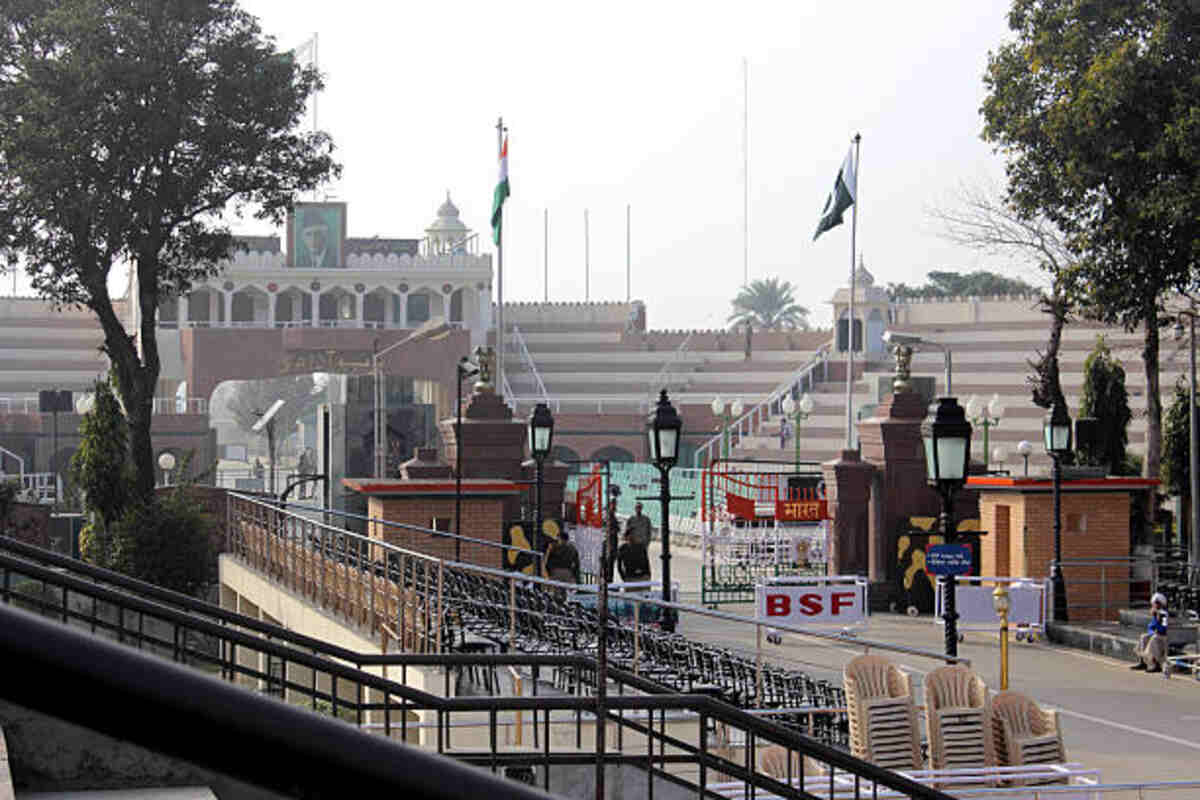
To truly grasp the India-Pakistan border situation, it’s imperative to delve into its historical roots. The partition of British India in 1947 led to the emergence of two separate nations: India and Pakistan. This division, primarily along religious lines, saw India as predominantly Hindu and Pakistan as predominantly Muslim. However, the partition was fraught with challenges, resulting in massive displacement, violence, and a rivalry that persists to this day.
The Genesis of Partition
The partition of 1947 was not merely a political maneuver but a deeply emotional event that tore through the social fabric of the subcontinent. The hurried nature of the division led to administrative chaos, with borders being drawn based on hastily gathered data. This rushed process catalyzed one of the largest migrations in human history, as millions crossed borders to join their religious majority. The scars of this migration, marked by violence and loss, continue to influence Indo-Pak relations.
The Birth of Nations and the Immediate Aftermath
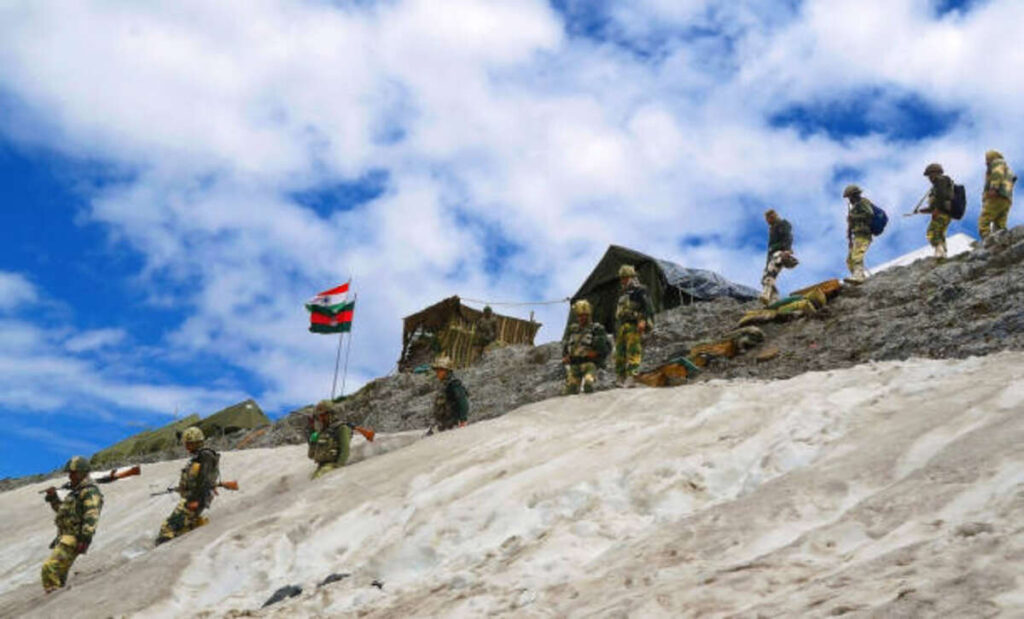
With the birth of India and Pakistan, a new geopolitical landscape emerged, characterized by mutual suspicion. The immediate aftermath of partition saw both nations grappling with internal stability and external threats. The division of resources, including military assets and bureaucratic structures, further complicated relations. The newly formed governments had to navigate a fragile peace while managing the expectations and fears of their populations.
Long-term Historical Impacts
The historical events of 1947 set the stage for a prolonged rivalry. The partition not only divided land but also families, cultural identities, and economic systems. Over the decades, this historical baggage has manifested in various conflicts, both military and diplomatic. Understanding this historical context is crucial for anyone seeking to grasp the intricacies of the India-Pakistan border situation.
The Kashmir Conflict
At the heart of the India-Pakistan tension lies the Kashmir region. Both countries claim the entire territory, but they control different parts of it. This dispute has sparked several wars and continuous skirmishes along the Line of Control (LoC), the de facto border in Kashmir. Understanding the Kashmir conflict is paramount to comprehending the broader India-Pakistan dynamics.
Historical Claims and the Roots of Dispute
The origins of the Kashmir conflict can be traced back to the princely state’s ambiguous status during partition. Kashmir’s ruler, a Hindu, opted to join India, despite the majority Muslim population favoring Pakistan. This decision ignited the first Indo-Pak war in 1947-48, establishing the LoC and setting the stage for future conflicts. The historical claims over Kashmir remain a contentious issue, with both nations citing historical, religious, and cultural ties to the region.
Wars and Military Engagements
Since partition, India and Pakistan have engaged in multiple wars over Kashmir, notably in 1947-48, 1965, and 1999. These conflicts have resulted in significant military and civilian casualties, further entrenching animosity. The Kargil conflict of 1999 highlighted the persistent volatility in the region, showcasing the potential for limited skirmishes to escalate into full-scale war. Each conflict has reinforced the strategic importance of Kashmir and its symbolic significance for both nations.
Current Status and Ongoing Tensions
Today, the Kashmir region remains a flashpoint for Indo-Pak tensions. The abrogation of Article 370 by India in 2019, which granted special autonomy to Jammu and Kashmir, has reignited tensions. Pakistan’s response, both diplomatically and militarily, has underscored the ongoing volatility. Regular ceasefire violations and militant activities continue to disrupt peace efforts, complicating any attempts at resolution.
Recent Developments
In recent years, the India-Pakistan border situation has witnessed several notable developments. Keeping abreast of the latest news is essential for anyone wanting to understand the current state of affairs.
Diplomatic Initiatives and Challenges
Despite enduring tensions, there have been attempts at diplomacy between India and Pakistan. High-level talks and backchannel negotiations have sporadically emerged, focusing on issues ranging from counter-terrorism to economic cooperation. However, these diplomatic efforts often face setbacks due to incidents along the border, such as terrorist attacks or political shifts within either country. The cyclical nature of dialogue and disruption reflects the fragility of peace processes in the region.
Military Buildup and Strategic Posturing
The border remains heavily militarized, with both nations maintaining substantial military presence and infrastructure. Periodic military exercises and strategic deployments are common, serving as both deterrents and provocations. Incidents of cross-border firing and skirmishes frequently escalate tensions, complicating peace efforts. The military buildup is not merely a show of force but a reflection of deep-seated mistrust and strategic calculations.
The Influence of Global Powers
The role of the international community, including organizations like the United Nations and influential global powers, is pivotal in mediating the India-Pakistan conflict. International pressure and diplomatic interventions sometimes lead to temporary de-escalation. However, the geopolitical interests of global powers often influence their stance, complicating efforts for a lasting resolution. The international community’s engagement, while crucial, is often perceived through the lens of strategic interests rather than humanitarian concerns.
The Human Impact
While geopolitical strategies and military tactics are critical, it is equally important to consider the human dimension of the India-Pakistan border situation. The ongoing conflict has profound effects on millions of people living in the region.
The Plight of Displaced Populations
The partition and subsequent conflicts have resulted in large-scale displacement, creating waves of refugees and internally displaced persons. Many families have been uprooted from their homes, living in makeshift camps or resettlement areas. The humanitarian crisis stemming from this displacement is often overshadowed by political rhetoric but remains a critical component of the border situation. Addressing the needs of these vulnerable populations is essential for any long-term resolution.
Daily Struggles and Resilience
For those residing near the border, life is unpredictable and fraught with danger. Regular cross-border firing disrupts daily activities, impacting livelihoods and access to essential services like education and healthcare. Despite these challenges, communities exhibit remarkable resilience, adapting to the constant threat of conflict. Understanding these daily struggles provides a more comprehensive view of the situation, highlighting the human cost of geopolitical disputes.
Cultural and Social Interactions
Despite the tensions, cultural and social interactions continue to thrive across the border. Shared linguistic, cultural, and familial ties create a complex tapestry of relationships that transcend political boundaries. Festivals, trade, and informal exchanges foster a sense of shared heritage, offering glimpses of hope for reconciliation. These interactions, though often constrained by political realities, underscore the potential for people-to-people diplomacy in easing tensions.
Writing About Complex Topics
Having explored the India-Pakistan border situation, let’s shift gears and discuss how you can employ similar techniques to write about complex topics in your work.
Breaking Down Complex Ideas
Whether you’re an aspiring novelist or a content marketer, breaking down complex ideas into simple, understandable steps is crucial. Start by identifying the core components of your topic, then explain each part clearly and concisely. Use everyday language and examples to make the subject relatable. By demystifying complex concepts, you can engage your audience and enhance their understanding.
Structuring Content for Clarity
A well-structured piece of writing guides the reader through the topic seamlessly. Use headings and subheadings to organize your content logically, ensuring each section builds on the previous one. This not only aids comprehension but also keeps the reader engaged. Visual aids, such as charts or diagrams, can further clarify intricate points, providing a visual framework for understanding.
Engaging Through Storytelling
To captivate your audience, employ storytelling techniques. Share anecdotes or real-life examples to illustrate your points, making your writing more relatable and memorable. Emotional appeals and vivid descriptions can evoke empathy and interest, drawing readers into the narrative. By weaving stories into your writing, you can transform complex topics into compelling narratives that resonate with your audience.
Practical Exercises for Skill Enhancement
Here are a few exercises to improve your writing on complex topics:
- Simplify a News Article: Choose a news article on a complex topic, like the India-Pakistan border situation, and rewrite it in simpler terms. Focus on clarity and brevity, ensuring the essence of the topic is preserved.
- Create a Mind Map: Visualize the components of a complex issue using a mind map. This exercise will help you organize your thoughts and identify connections between different aspects, enhancing your analytical skills.
- Peer Review and Feedback: Share your writing with a peer and seek feedback on clarity and engagement. Use their input to refine your approach, learning to adapt your writing style based on constructive criticism.
Conclusion
The India-Pakistan border situation is a multifaceted issue with deep historical roots and significant human impact. By understanding these complexities and employing the techniques discussed, you can improve your ability to write about intricate subjects, whether crafting a novel, writing content, or working on an academic paper. Remember, the key is to break down information, structure it well, and engage your audience with clear and compelling writing. Happy writing!
