



Before we dive into the specific phrases, let’s talk about why learning Spanish greetings is beneficial. Greetings are more than just words; they are the starting point of any conversation. They set the tone and can instantly make interactions more pleasant and welcoming. Using a proper greeting can not only make you appear more friendly and approachable but can also open doors to deeper connections.
Enhancing Communication
Mastering greetings in Spanish enhances your ability to communicate effectively. Communication isn’t just about exchanging words; it’s about building rapport. Starting a conversation with a familiar greeting can make others feel comfortable and appreciated. It demonstrates that you have put in the effort to learn their language, which can lead to more meaningful interactions.
Demonstrating Respect and Cultural Appreciation
Learning how to greet someone in their native language shows respect and interest in their culture. This simple gesture can significantly enhance personal and professional relationships. By speaking even a few words in Spanish, you show that you value their culture, which can build trust and mutual respect. This is particularly important in business settings where cultural sensitivity can be a crucial factor in negotiations and partnerships.
Building Confidence
Knowing how to greet someone in Spanish can boost your confidence in social settings. Greeting someone in a foreign language is often the first hurdle in language learning, and once you overcome it, you’ll feel more at ease. This newfound confidence can encourage you to continue learning and using the language, eventually leading to fluency.
The Basics: Saying Hello in Spanish
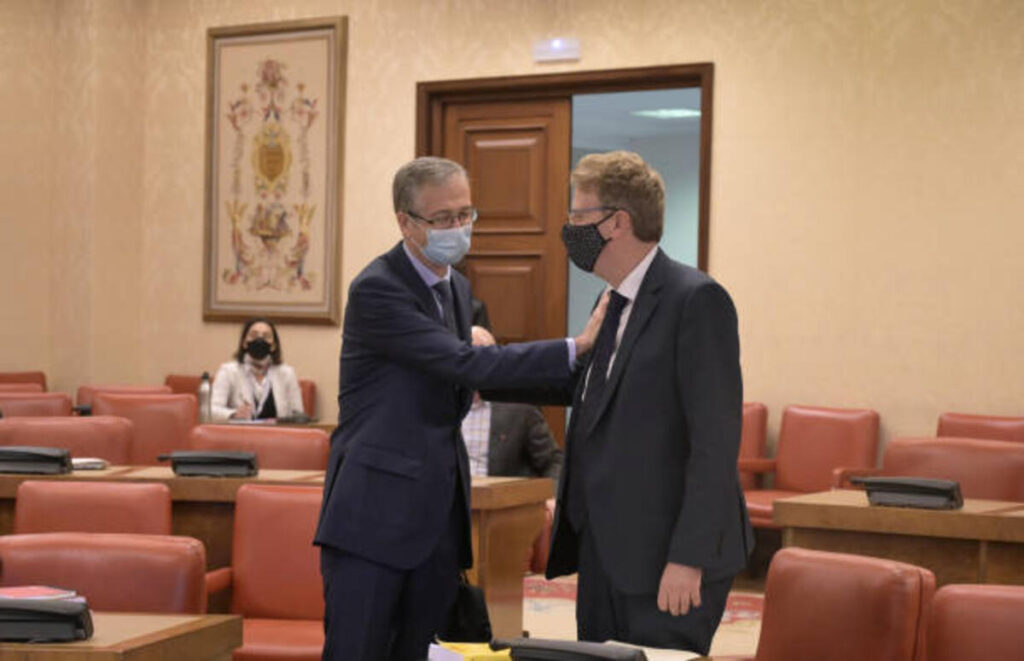
When it comes to saying “hello” in Spanish, there are a few options depending on the time of day and level of formality. Here are the most common ones:
Hola: The Universal Greeting
Hola is the go-to word for “hello” in Spanish. It’s simple, universal, and can be used at any time of day. Think of it as your trusty Swiss Army knife of greetings. Whether you’re greeting a stranger or a close friend, hola is always appropriate. Its versatility makes it the backbone of Spanish greetings, ensuring that you’re always prepared to start a conversation.
Buenos Días: Starting the Day Right
Buenos días translates to “good day,” but it’s commonly used to say “good morning.” This greeting is typically used until around noon. Using buenos días sets a positive tone for the day and shows that you are courteous and considerate. It’s a great way to acknowledge the beginning of a new day and express goodwill towards others.
Buenas Tardes and Buenas Noches: Time-Specific Greetings
Buenas tardes means “good afternoon” and is used from noon until the sun starts to set. It’s a respectful way to acknowledge the time of day and maintain a polite demeanor. As the day transitions into night, you can switch to buenas noches to say “good evening” or “good night.” This greeting is perfect for ending the day on a pleasant note, whether you’re greeting someone in the evening or bidding them farewell before bed.
Informal Greetings: How to Say Hi in Spanish
If you’re chatting with friends or someone your age, you might want to keep things casual. Here are some informal ways to say hi in Spanish:
¡Qué Tal!The Casual Check-In
¡Qué tal! is a popular informal greeting that means “What’s up?” or “How’s it going?” It’s a friendly way to initiate a conversation without the formality of traditional greetings. This phrase is versatile and can be used in various social settings, making it a favorite among friends and peers. It conveys a sense of camaraderie and openness.
Adding a Personal Touch with ¡Hola, Amigo/Amiga!
If you’re addressing a friend, you can add amigo (for males) or amiga (for females) after hola to make it more personal. This small addition makes the greeting feel warmer and more intimate. It shows that you value your relationship with the person and recognize them as a friend. This personal touch can strengthen bonds and create a more relaxed atmosphere.
Ey!: The Attention Grabber
Much like “hey” in English, ey is a casual way to grab someone’s attention. It’s informal and often used among younger people or in laid-back settings. While it’s not a traditional greeting, it serves as a simple way to get someone’s attention quickly. This expression adds variety to your greetings and can be used to initiate more casual interactions.
Making Small Talk After the Greeting
Once you’ve nailed the greeting, it’s time to move on to small talk. Here are some phrases that can help you keep the conversation going:
¿Cómo Estás?The Standard Follow-Up
¿Cómo estás? means “How are you?” and is a standard follow-up to any greeting. It’s a simple way to show interest in the other person’s well-being. This question is polite and can be used in both formal and informal settings. Asking about someone’s well-being is a universal way to express care and concern, making it an essential part of any conversation.
¿Qué Haces?Engaging the Other Person
¿Qué haces? translates to “What are you doing?” or “What are you up to?” It’s a direct way to engage the other person and learn more about their current activities. This question can lead to more detailed conversations and help you discover common interests. It’s a great way to keep the dialogue going and show genuine curiosity about the other person’s life.
¿Cómo Te Va?: A Casual Inquiry
¿Cómo te va? is another way to ask “How’s it going?” It’s a bit more casual than ¿Cómo estás? and is often used among friends. This question allows for a more relaxed exchange, making it perfect for informal settings. It encourages the other person to open up and share more about their day, fostering a sense of openness and trust.
Responding to Greetings
It’s not just about asking questions, though. You should also know how to respond to these greetings:
Estoy Bien, Gracias: The Polite Response
Estoy bien, gracias means “I’m fine, thank you.” It’s a polite and common response that shows gratitude for the inquiry. This response is appropriate in both formal and informal situations, making it a versatile choice. It communicates that you are doing well and appreciate the other person’s interest in your well-being.
Todo Bien: Keeping It Casual
Todo bien simply means “All good.” This is a casual way to say everything’s okay and is often used among friends. It conveys a relaxed and easy-going attitude, making it ideal for informal conversations. This response helps maintain a friendly and positive atmosphere, encouraging further interaction.
No Mucho: A Simple Update
If someone asks ¿Qué haces? And you’re not up to much, you can reply with No mucho, meaning “Not much.” This response is straightforward and keeps the conversation light. It indicates that there’s no significant news to share, which can be a natural segue into other topics. It’s a useful phrase to have in your conversational toolkit.
Cultural Insights: Greetings Beyond Words
In Spanish-speaking cultures, greetings often go beyond just words. Here are a few cultural nuances to keep in mind:
The Double Kiss: A Warm Welcome
In many Spanish-speaking countries, it’s common to greet friends and family with a light kiss on each cheek. This is more prevalent in Spain and parts of Latin America. The double kiss is a gesture of warmth and familiarity, signifying a closer relationship. It’s important to observe local customs and follow the lead of the person you’re greeting to ensure you’re respecting their cultural norms.
The Handshake: A Formal Introduction
A firm handshake is standard in formal settings or when meeting someone for the first time. This gesture is universally recognized as a sign of professionalism and respect. It sets a serious tone for the interaction and is often used in business environments. Offering a handshake shows that you are confident and respectful, making it a crucial part of first impressions.
The Hug: Expressing Affection
Among close friends and family, a hug might be the preferred greeting, especially in more informal environments. The hug is an expression of affection and closeness, showing that you have a strong bond with the person. In many Spanish-speaking cultures, physical touch is an integral part of communication, helping to strengthen personal connections. Understanding these cultural nuances can enhance your interactions and help you navigate social situations with ease.
Practice Makes Perfect
The best way to get comfortable with these greetings is to practice them. Here are a few tips to help you get started:
Role-Playing with a Friend
Find a friend who is also learning Spanish and practice greetings together. You can take turns being the greeter and the responder. This exercise allows you to simulate real-life scenarios, making you more prepared for actual conversations. Role-playing helps reinforce your memory and builds confidence in using the language.
Leveraging Language Apps
Apps like Duolingo or Babbel offer interactive lessons that can help reinforce your greeting skills. These platforms provide a structured approach to learning and allow you to practice at your own pace. By regularly using these apps, you can track your progress and identify areas for improvement. They offer a convenient way to integrate language practice into your daily routine.
Immersing Yourself in Spanish Media
Immerse yourself in Spanish-language TV shows, movies, or YouTube channels. Pay attention to how characters greet each other and try to mimic their expressions and intonations. This exposure helps you understand the context and cultural nuances of different greetings. Watching native speakers in action provides valuable insights into pronunciation and usage, enhancing your overall language skills.
Conclusion: Embrace the Language
Learning Spanish greetings is just the beginning of your language-learning adventure. These basic phrases will not only help you make a good first impression but also open the door to deeper conversations and cultural understanding. So go ahead, practice these greetings, and embrace the rich tapestry of the Spanish language. ¡Buena suerte! (Good luck!)
Remember, every hola is a step closer to fluency, and every buenas tardes brings you closer to a new world of connections. So get out there and start greeting the world in Spanish! Engaging with a new language is a journey, and each greeting is a milestone. Celebrate your progress and look forward to the rewarding experiences that come with language learning.
