


What Does ICU Stand For in Medicine?
In the realm of healthcare, certain acronyms carry significant weight. ICU is one such term.
But what does ICU stand for in medicine?
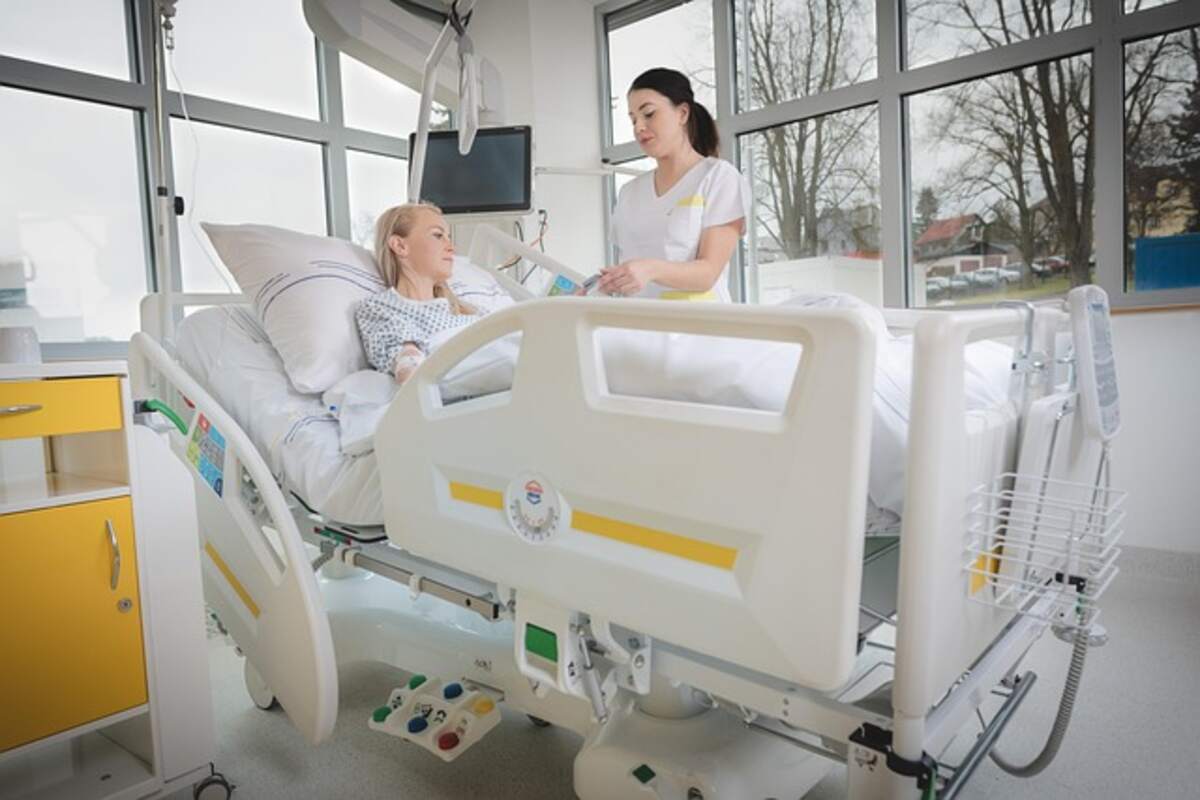
ICU is an abbreviation for Intensive Care Unit. It’s a specialized department within a hospital.

The ICU is designed to provide intensive treatment to patients. These patients typically have severe, life-threatening illnesses or injuries.
The care provided in an ICU is comprehensive and constant. It’s delivered by a team of highly trained healthcare professionals.
These professionals use advanced medical technology to monitor and support patients’ vital systems. This is crucial for patients who are critically ill.
The ICU is more than just a place. It’s a critical component of a hospital’s care system.
Understanding the full form of ICU, its meaning, and its role in healthcare is important. This is true for medical professionals, students, and even the general public.
For aspiring novelists, content marketers, and graduate students, this understanding can be particularly beneficial. It can help them break down complex medical concepts into simple, understandable language.
In this article, we’ll delve deeper into the world of ICUs. We’ll explore their history, their function, and their significance in the healthcare industry.
Join us as we unravel the intricacies of the Intensive Care Unit. Let’s begin this enlightening journey.
Understanding the ICU Full Form and Its Significance
When examining what “ICU” stands for, we begin with its full form: Intensive Care Unit. The name itself implies urgency and specialized attention. In hospitals, ICUs are critical spaces. They are dedicated to patients needing the highest level of medical care.
The significance of the ICU is immense. These units handle the most serious cases, where life is at its most fragile. Medical staff within the ICU have specialized training. They handle complex medical equipment and manage critical conditions effectively.

ICUs provide a unique environment tailored for acute patient care. Here, the staff-to-patient ratio is higher than in other wards. This ensures personalized and thorough care for each patient.
Several key features distinguish ICUs from other hospital departments:
- Continuous monitoring of vital signs
- Use of advanced life-support systems
- Presence of multidisciplinary teams
ICUs cater to conditions such as respiratory failure, severe infections, and post-operative recovery for major surgeries. The severity and complexity of these conditions necessitate a heightened level of vigilance.
Intensive Care Units are pivotal in managing emergencies that require immediate intervention. They stabilize patients who are critically ill before they are moved to other hospital wards for less intensive care.
Understanding the function and dynamics of an ICU underscores its essential role in healthcare. It’s a place where medicine meets compassion, technology meets expertise, and hope meets healing.
The Evolution of Intensive Care Units
The history of ICUs dates back to the 1950s. It was during the polio epidemic that specialized care units first emerged. These units revolutionized the management of critical patients.
During this period, the necessity for specialized equipment became evident. For example, mechanical ventilators were used extensively. This marked a turning point in critical care practice.

By the 1960s, hospitals began recognizing the benefits of centralized critical care units. These units were equipped with advanced technology, staffed with trained professionals.
The development of ICUs has paralleled advancements in medical technology. Each decade brought new innovations, from improved ventilators to sophisticated monitoring systems.
As treatment options expanded, so did the design and function of ICUs. Today, they remain at the forefront of emergency and critical patient care.
Modern ICUs are designed to accommodate changes in medical science and patient needs. They have become a symbol of resilience and adaptability in healthcare.
The evolution of ICUs reflects the progression in understanding human physiology and the power of technology. It underscores a commitment to saving lives against all odds.
The ICU Team: Roles and Responsibilities
The ICU is not just a collection of machines; it’s a collaborative environment. The team is composed of various professionals, each with specific roles.
At the core are intensivists or critical care physicians. They lead patient care and coordinate with other specialists. Nurses, who have specialized training in critical care, are indispensable. They provide around-the-clock attention and monitor vital signs closely.

Respiratory therapists are experts in managing ventilators and ensuring patients receive adequate oxygenation. Pharmacists are responsible for medication management, ensuring that drugs are administered safely and effectively.
The team also includes:
- Nutritionists, who design diets to aid recovery
- Physical therapists, who help patients regain strength
- Social workers, who support patient families and coordinate care post-discharge
This multidisciplinary approach ensures comprehensive care. Each team member contributes to the patient’s recovery in unique ways. Effective communication within the team is crucial. It ensures that care is seamless and patient-centered.
The ICU team also engages in continuous learning and training. They keep abreast of the latest research and medical advancements. This proactive approach improves patient outcomes and enhances team effectiveness.
Every role within the ICU is vital. Together, the team operates like a well-oiled machine, ensuring that patients receive optimal care.
Types of ICUs: Specialized Care for Different Patient Needs
ICUs are not one-size-fits-all. They are often specialized to cater to different patient needs. Each type of ICU is equipped to handle specific conditions.
Neonatal Intensive Care Units (NICUs) care for newborns needing intensive medical attention. These units have equipment designed for infants’ unique needs.
Pediatric ICUs (PICUs) cater to children and adolescents. They address critical conditions specific to younger populations. The care is adapted to suit this demographic’s physical and psychological needs.

Adult ICUs are perhaps the most recognizable. They provide care for adults with severe health issues. Sub-specialties within adult ICUs can include:
- Cardiac Care Units (CCUs) for heart-related issues
- Surgical ICUs (SICUs) for post-operative recovery
- Trauma ICUs for severe injuries
There are also specialized units like Burn ICUs for patients with significant skin injuries. The design of each unit is tailored to its function. Equipment, staff training, and protocols vary according to the unit’s specialization.
Understanding the various types of ICUs helps recognize their significance. Each unit plays a vital role in the broader healthcare system. They ensure that patients receive the right care at the right time.
Specialized ICUs underscore the importance of tailoring medical care to individual needs. They enable healthcare providers to respond effectively to a diverse array of medical emergencies.
The ICU Environment: Design, Equipment, and Technology
The ICU environment plays a crucial role in patient recovery. These units are meticulously designed with patient safety in mind. Every aspect is tailored to support critical care needs.
The layout of an ICU is pivotal. Open spaces allow for unobstructed movement of medical staff. This is essential during emergencies. Each bed space includes essential amenities and life-support systems.
ICUs are equipped with specialized equipment. State-of-the-art monitors provide real-time data on vital signs. Advanced ventilators support patients who cannot breathe independently.

Lighting and sound in the ICU are carefully managed. This is to minimize stress for both patients and staff. Soft lighting and reduced noise levels help create a calmer environment.
Medical technology in ICUs is highly sophisticated. Diagnostic and therapeutic equipment are readily accessible. This ensures timely intervention for patients in need.
The ICU design also considers infection control. Surfaces are easy to disinfect, minimizing infection risks. Separate waste disposal systems help maintain hygiene.
Key areas of focus in ICU design include:
- Ventilation systems: Ensure optimal air quality and circulation
- Patient privacy: Use of screens and curtains for patient dignity
- Efficient communication systems: Centralized stations for staff coordination
Technological integration in ICUs advances patient care significantly. Equipment is often interconnected, facilitating seamless monitoring. This connectivity aids in rapid data analysis, bolstering patient management.
In conclusion, the ICU’s design and technology combine to offer a secure environment. This synergy is aimed at enhancing patient survival and recovery. It showcases modern medicine’s potential and commitment to saving lives.
Advanced Medical Technology in the ICU
ICUs host a variety of advanced medical technologies. These tools are essential for intensive patient care. They provide vital support and enhance treatment outcomes.
Monitors in the ICU display real-time patient data. Blood pressure, heart rate, and oxygen levels are continuously tracked. This ensures any fluctuations are immediately addressed.
Ventilators play a critical role for those with respiratory challenges. They deliver constant airflow to support breathing. The settings can be adjusted to meet individual patient needs.

Other crucial devices include infusion pumps. These regulate the flow of medication and nutrients into the patient. Accurate dosing is vital, and these pumps ensure precision.
Dialysis machines assist patients with kidney failure. They filter blood, removing toxins and excess fluids. This technology is life-saving for those with compromised renal function.
Key technological features in the ICU:
- Defibrillators: Provide essential treatment during cardiac emergencies
- ECMO Machines: Support patients with severe heart and lung issues
These sophisticated devices are complemented by electronic health records. Instant access to patient information aids in decision-making. The data-driven environment ensures coordinated care.
In ICUs, technology goes beyond mere machinery. Its role extends into digital health management. Telemedicine allows specialists to provide remote consultations. This expands the reach of medical expertise.
The integration of technology enhances the accuracy and efficiency of ICU care. It supports healthcare providers in delivering the best possible outcomes. Technology remains at the forefront of ICU advancements.
Infection Control and Safety Measures in the ICU
Infection control in the ICU is paramount. Patients are vulnerable, and prevention strategies are crucial. These measures safeguard both patients and staff.
The ICU environment is designed to minimize infection risk. Hands-on practices focus on strict hygiene protocols. This includes rigorous handwashing and sanitizing procedures.
Surfaces and equipment are regularly disinfected. This reduces the risk of cross-contamination. Dedicated cleaning staff ensure these practices are continuously followed.

Isolation units are often part of the ICU design. They allow for the treatment of infectious patients separately. This containment strategy helps protect other patients and staff.
Personal Protective Equipment (PPE) is mandatory for ICU staff. This includes gloves, masks, gowns, and face shields. Proper use of PPE is a frontline defense against infectious agents.
Crucial infection control measures include:
- Barrier precautions: Use of physical barriers to prevent the spread of infections
- Antibiotic stewardship: Responsible use of antibiotics to combat resistance
The ICU’s air quality is meticulously controlled. Advanced HVAC systems filter and circulate air. This minimizes airborne pathogen transmission.
Staff training in infection prevention is ongoing. Updated practices are disseminated to ensure compliance. Continuous education helps maintain safety standards.
Infection control measures in the ICU are a collective effort. They require diligence from all staff members. These practices protect patients, enhancing their chances of recovery.
Patient Care in the ICU: Procedures and Protocols
Patient care in the ICU is governed by strict procedures. These protocols ensure systematic and effective treatment. They encompass a range of medical interventions tailored to each patient.
Initially, assessment is the first step in ICU care. Each patient receives a thorough examination. This helps determine immediate treatment needs and priorities.
Constant monitoring is a hallmark of ICU care. Vital signs are tracked around-the-clock. Any deviation from the norm prompts immediate attention.
Medical teams in the ICU follow established guidelines. These protocols are based on best practices and research. They cover everything from medication administration to emergency responses.

Care plans in the ICU are highly individualized. Each patient’s plan is reviewed and adjusted regularly. This ensures alignment with their current health status.
Patients often require support from various life-support systems. This includes mechanical ventilation and intravenous therapy. These systems are crucial for maintaining essential body functions.
Key procedures in the ICU include:
- Regular updates and briefings: Ensuring all team members are informed
- Patient rounds: Conducted by multidisciplinary teams for comprehensive care evaluation
- Use of checklists: To maintain consistency in care delivery
Nutrition in the ICU is vital. Patients often can’t eat normally and need specialized nutrition. Enteral or parenteral feeding techniques are used to provide essential nutrients.
Pain management is another crucial aspect. Tailored strategies are implemented to relieve pain while avoiding over-sedation. Patient comfort is a primary concern in ICU care.
The dynamics in an ICU demand teamwork and communication. Protocols guide interactions among staff members. This ensures everyone works towards common patient-centric goals.
The Critical Role of Monitoring and Life Support
Monitoring in the ICU is a cornerstone of patient care. It allows for the continuous observation of critical bodily functions. Prompt responses to changes can significantly affect outcomes.
Life support systems in the ICU are life-sustaining. They provide essential support for failing organs. These systems are complex and require skilled management.
Vital signs are measured and displayed on sophisticated monitors. Heart rate, blood pressure, and oxygen saturation are key parameters. Real-time data ensures timely interventions.

Respiratory support often involves mechanical ventilation. Ventilators assist or fully take over the breathing process. Settings are carefully adjusted to meet specific needs.
Intravenous lines are commonplace in the ICU. These lines deliver fluids, nutrition, and medications. They are critical for maintaining hydration and delivering necessary treatments.
Essential components of ICU monitoring include:
- Central venous catheters: For administering potent drugs and monitoring fluid status
- Arterial lines: Providing accurate blood pressure readings and blood samples
- Telemetry systems: Enabling remote monitoring of cardiac activity
Life support systems extend beyond respiratory aids. Renal dialysis machines offer temporary kidney function when needed. This is crucial for patients with acute kidney injuries.
The integration of technology ensures precision in monitoring. Data generated by devices guide clinical decisions. This convergence of digital systems enhances patient care.
Continuous monitoring and life support reflect the ICU’s advanced capabilities. These tools are indispensable, supporting the most vulnerable patients. Proper management is key to successful outcomes.
Ethical Considerations and End-of-Life Care in the ICU
Ethical considerations are integral to ICU care. Complex medical decisions often arise. These require a delicate balance of medical expertise and ethical principles.
End-of-life care is particularly challenging. Patients may face irreversible conditions. Decisions regarding life-sustaining treatments must be made compassionately.
Communication with the family is vital in these scenarios. They must understand the patient’s prognosis and treatment options. Transparent discussions are crucial for informed decision-making.

Advance directives guide end-of-life care. These legal documents express patient wishes. Knowing a patient’s preferences helps tailor care appropriately.
Ethical dilemmas often focus on the extent of intervention. Deciding when to withdraw life support is particularly challenging. This decision must consider medical, ethical, and personal factors.
Key aspects of ethical decision-making in the ICU include:
- Patient autonomy: Respecting their wishes and informed choices
- Beneficence: Prioritizing the patient’s well-being in all actions
- Non-maleficence: Avoiding harm while providing appropriate care
Palliative care teams support end-of-life processes. They focus on comfort and quality of life. This approach is critical when curative treatment is no longer an option.
Staff must navigate these ethical challenges thoughtfully. Sensitivity and empathy guide discussions with families. ICU teams ensure patient dignity at all times.
Ethical considerations in the ICU are multifaceted. They require experienced judgment and compassionate communication. Balancing medical realities with humane care remains the priority.
The Human Side of ICU Care: Patients and Families
ICU care extends beyond just medical treatment. The human side involves deeply understanding patient and family experiences. This perspective is crucial for comprehensive care.
Patients in the ICU undergo intense emotional experiences. Being in a critical condition can be distressing. They require empathy and emotional support from their care team.
Families also face overwhelming stress. Anxiety about their loved one’s condition can be consuming. They need clear communication and reassurance from medical professionals.

Support services in the ICU cater to these emotional needs. Social workers and psychologists are often part of the care team. They provide counseling and coping strategies for patients and families.
Key human aspects of ICU care include:
- Emotional support: Vital for both patients and families
- Clear communication: Helps families understand medical situations
- Respect for patient dignity: Ensuring comfort and humane treatment
Ensuring cultural sensitivity is important. Diverse patient backgrounds necessitate respect for various beliefs and customs. This enhances comfort and trust.
Family-centered care is a core ICU principle. Involvement of the family in care decisions is crucial. It reinforces a support network for the patient.
The ICU team strives to maintain hope. Encouragement and realistic optimism are essential. Balancing medical facts with compassion is vital for morale.
Encouraging family involvement aids recovery. Patients often respond positively when surrounded by familiar voices and presence. This contributes significantly to overall well-being and outcomes.
Psychological Impact and Support Services
The psychological impact of an ICU stay is profound. Patients often experience anxiety and confusion. Being connected to life-support devices can be daunting.
Post-traumatic stress can occur after ICU discharge. This affects both patients and families. Support services aim to mitigate these psychological challenges.
Mental health professionals play a crucial role. They conduct assessments and provide interventions. This ensures mental health is prioritized alongside physical health.

Creating a calming environment helps alleviate stress. Simple measures like controlling noise levels can make a big difference. Music therapy and relaxing techniques are also beneficial.
Support services available in the ICU include:
- Counseling sessions: Individual or family therapy to address emotional needs
- Support groups: Providing shared experiences and coping mechanisms
- Stress management techniques: Helping manage anxiety and stress effectively
Family members are encouraged to participate in psychological support. Their well-being impacts patient recovery. Educating them about stress signs and available resources is crucial.
Continuous assessment of mental health is necessary. This allows timely interventions as patient conditions evolve. A proactive approach ensures comprehensive care.
Promoting mental well-being enhances overall recovery. It is a vital component of holistic ICU care. Recognizing and addressing psychological needs can improve outcomes for everyone involved.
Visitation Policies and Family Involvement
Visitation policies in the ICU are carefully structured. These policies balance the need for family presence with patient and staff safety. Clear guidelines ensure smooth operations.
Flexibility in visitation helps accommodate family schedules. However, some restrictions may apply to ensure patient rest. Balancing these needs is crucial for effective care.
Families are integral to patient healing. Their involvement can provide emotional comfort. This significantly impacts patient recovery and morale.

Key components of visitation policies include:
- Scheduled visiting hours: Organized to minimize disruption
- Guidelines for visitor conduct: Ensuring a peaceful environment
- Safety protocols: Protecting patients and staff from potential infections
Encouraging family involvement in care helps. They can participate in meetings and provide valuable input. This includes discussing care plans and expressing preferences.
Regular updates and communication are imperative. Families appreciate knowing what to expect. Clear and consistent updates build trust and reassurance.
Visitation must respect patient dignity and privacy. This includes maintaining confidentiality and offering private spaces for family interactions. These practices promote a supportive environment.
Ultimately, visitation and family involvement enhance ICU care. They provide patients with a sense of support and belonging. Such connections can be influential in the healing process, fostering both physical and emotional recovery.
Training and Continuous Learning for ICU Professionals
The dynamic nature of ICU care demands ongoing training. ICU professionals face complex, evolving challenges. Staying updated with the latest medical advances is critical.
Continuous education ensures high-quality patient care. Regular training sessions enhance skills and knowledge. Professionals must adapt quickly to new treatment protocols.
Advanced practice certifications are often pursued. These certifications validate specialized skills. They also demonstrate commitment to professional growth.

Key components of ICU training include:
- Clinical workshops: Hands-on practice for procedures and techniques
- Seminars and conferences: Updates on medical research and innovations
- Online courses: Flexible learning for busy professionals
Mentoring plays a vital role in professional development. Experienced staff guide newcomers through complex scenarios. This collaboration fosters a supportive learning environment.
Interdisciplinary training is increasingly emphasized. Teams benefit from understanding each other’s roles. Effective coordination leads to seamless patient care.
Peer reviews and feedback sessions provide valuable insights. Constructive criticism helps refine clinical skills. These evaluations are crucial for maintaining standards.
Investments in training programs improve patient outcomes. Hospitals prioritize these programs, recognizing their value. Well-trained professionals are essential for effective ICU care.
Ultimately, continuous learning enhances career satisfaction. Professionals find growth opportunities rewarding. This positive environment encourages excellence in patient care.
Simulation Training and the Importance of Teamwork
Simulation training is crucial in the ICU. It replicates real-life scenarios for practice. This preparation ensures readiness for urgent situations.
Through simulation, teams practice critical procedures. They refine skills in a controlled setting. This hands-on experience is invaluable for skill development.
Incorporating teamwork into training enhances communication. Teams practice clear communication under pressure. This coordination is vital in complex situations.

Components of effective simulation training include:
- Realistic scenarios: Simulations mirror actual ICU cases
- Debriefing sessions: Analyze performance and identify improvement areas
- Role-playing: Understanding different team roles and responsibilities
Collaboration during training builds team cohesion. It strengthens trust and understanding among members. This foundation translates into effective teamwork in patient care.
The importance of clear communication cannot be overstated. Errors often arise from miscommunication. Practicing these skills reduces the risk of mistakes.
Team-based problem-solving is highlighted in simulations. Teams develop strategies for unforeseen challenges. This proactive approach improves patient outcomes.
Simulation exercises also enhance critical thinking. Participants make quick decisions under pressure. This preparedness is crucial in the fast-paced ICU environment.
By fostering teamwork and critical skills, simulations prepare ICU professionals for real-life challenges. This training is essential for delivering high-quality care and ensuring patient safety.
The Future of ICU Care: Trends and Innovations
The landscape of ICU care is evolving rapidly. Innovations drive improvements in patient outcomes. Technological advancements are at the forefront.
Personalized medicine is gaining traction. Tailored treatments improve efficacy and reduce side effects. This approach holds promise for ICU patients.
Artificial intelligence (AI) is making its mark. It aids in diagnosing and monitoring patients. Predictive analytics can foresee complications before they occur.

Key trends shaping the future of ICU care:
- Wearable technology: Continuous monitoring of vital signs
- AI-driven diagnostics: Enhanced accuracy and speed
- Robotics: Support in surgeries and patient management
3D printing is another burgeoning field. Custom implants and prosthetics are becoming more common. These innovations enhance recovery and reduce complications.
Telemedicine is transforming remote patient care. It allows specialists to consult from afar. This extends expertise to underserved areas.
Environmentally sustainable practices are gaining attention. Energy-efficient ICU designs are more prevalent. Waste reduction initiatives are a priority.
As technology advances, ethical considerations remain crucial. Balancing innovation with compassion is essential. Patient-centric care remains the ultimate goal.
Tele-ICU and Remote Patient Monitoring
Tele-ICU expands the reach of critical care. It enables off-site experts to guide patient management. Remote monitoring technologies facilitate this process.
These systems enhance real-time communication. They connect smaller hospitals to larger medical centers. Access to specialized care becomes universal.

Benefits of tele-ICU and remote monitoring include:
- Increased access to specialists: Supports hospitals lacking onsite expertise
- Continuous patient monitoring: Early detection of critical events
- Efficient resource utilization: Optimizes staffing and technology
Remote monitoring offers detailed insights. Data is analyzed in real-time for quick interventions. This vigilance improves patient safety and outcomes.
Despite its advantages, tele-ICU faces barriers. Infrastructure costs can be prohibitive. Privacy concerns need addressing to ensure patient confidentiality.
Integration with existing systems is critical. Interoperability ensures seamless data exchange. Collaborative efforts are essential for successful implementation.
These technologies empower healthcare providers. They break geographical barriers in healthcare delivery. The potential to transform patient care is immense.
Research, Clinical Trials, and Evidence-Based Practice
Research propels ICU advancements forward. Clinical trials validate new treatments and approaches. Evidence-based practices set the standard for care.
This approach ensures high-quality, patient-centered care. It relies on the latest scientific findings. Decisions are guided by proven data, not intuition.

Key components of evidence-based practice include:
- Systematic reviews: Analyzing existing studies for comprehensive insights
- Randomized controlled trials: Evaluating new treatments and interventions
- Clinical guidelines: Streamlining patient care procedures
Collaborative research is crucial. Multidisciplinary teams offer diverse perspectives. This collaboration drives innovation and improvement.
ICUs often participate in groundbreaking trials. New therapies and technologies are tested. Findings shape future care protocols and standards.
Patient outcomes are the focus of research efforts. Reducing mortality and improving recovery rates is paramount. Data-driven strategies achieve these goals.
Transparency and ethical considerations guide research. Patients must be informed participants. Ethics committees oversee trials for patient safety.
Continual learning fosters an environment of innovation. ICU professionals stay abreast of the latest findings. This dedication to research enhances patient care worldwide.
Conclusion: The Integral Role of ICUs in Healthcare
Intensive Care Units (ICUs) are vital in modern healthcare. They provide critical care to the most vulnerable patients. ICUs are indispensable in hospitals worldwide.
Their role goes beyond treating life-threatening conditions. ICUs embody the pinnacle of medical excellence. Advanced technologies and skilled professionals work tirelessly for patient recovery.
ICUs are centers of innovation and research. They drive improvements in patient care and outcomes. Continuous advancements ensure patients receive the best care possible.
The importance of ICUs cannot be overstated. They save countless lives each day. By addressing the complex needs of critically ill patients, ICUs are essential pillars in the healthcare system.
Key Takeaways and Final Thoughts
Understanding the ICU’s full form—Intensive Care Unit—reveals its significance. These specialized units are crucial for managing severe medical conditions. Every aspect of ICU care is meticulously designed to optimize outcomes.
Innovations, from AI to telemedicine, enhance ICU capabilities. These advancements improve patient monitoring and treatment. The focus remains on patient-centered, compassionate care.
Ultimately, ICUs demonstrate the commitment of healthcare professionals. Their dedication ensures that critical patients have the best chance of recovery. As healthcare evolves, the role of ICUs will continue to expand, reflecting ongoing progress and commitment to saving lives.
FAQs About ICU Full Form and Function
What does ICU stand for?
ICU stands for Intensive Care Unit. It's a specialized hospital department. It caters to patients with severe and life-threatening conditions.
What is the primary function of an ICU?
The primary function is to provide intensive treatment and monitoring. ICUs are equipped with advanced medical technology. They ensure critically ill patients receive comprehensive care.
Who are the main members of the ICU team?
The ICU team is multidisciplinary. It includes doctors, nurses, and respiratory therapists. Each team member plays a crucial role in patient care.
What types of conditions are treated in an ICU?
ICUs handle a wide range of conditions. These include sepsis, organ failure, and post-surgical recovery. Conditions needing continuous monitoring are also treated.
How has technology impacted ICU care?
Technology has dramatically enhanced ICU capabilities. It allows for better monitoring and treatment. Innovations, like tele-ICU, provide remote care possibilities.
What are the ethical challenges faced in ICUs?
ICUs often confront ethical challenges. These include end-of-life decisions and resource allocation. Staff must navigate complex moral dilemmas regularly.
