


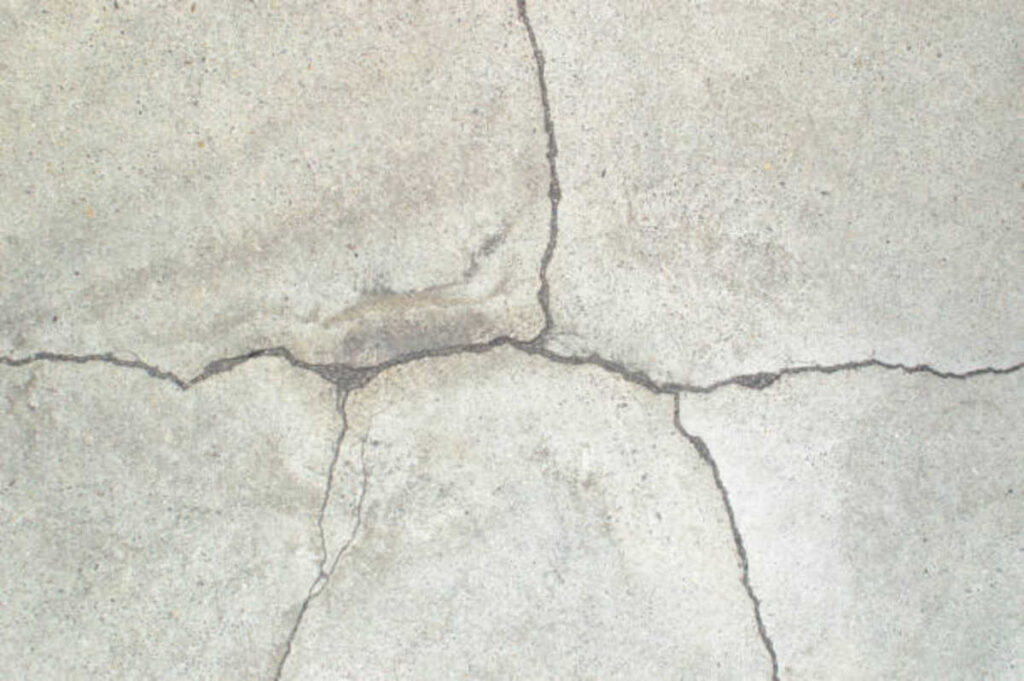
Concrete slabs form the backbone of many construction projects in Australia, from residential homes and commercial buildings to infrastructure projects like bridges and pavements. However, even with the best design practices and quality control measures, cracks in concrete slabs can occur due to various factors such as thermal movement, shrinkage, overloading, or environmental exposure. As a construction manager, I have witnessed firsthand how crucial it is to address these issues promptly and effectively. One of the most reliable ways to tackle these challenges is by engaging remedial contractors who specialise in repairing concrete cracks.
By understanding the complexities of concrete crack repair and leveraging the specialised skills of remedial contractors, we can ensure that our structures continue to stand the test of time. Their role in the industry is a testament to the value of specialised expertise in overcoming the challenges posed by concrete deterioration. In an industry where every detail counts, partnering with the right experts makes all the difference in achieving a resilient and future-ready built environment.
Understanding Concrete Cracks
Causes of Cracks
Cracks in concrete slabs can result from a myriad of causes. Some of the most common include:
- Shrinkage Cracks: These occur when concrete loses moisture over time, causing it to contract. Although often superficial, shrinkage cracks can affect the aesthetic appearance and potentially allow moisture ingress.
- Thermal Cracks: Exposure to extreme temperatures can lead to expansion and contraction cycles in concrete, resulting in thermal cracking.
- Structural Overloading: When a concrete slab is subjected to loads exceeding its design capacity, stress fractures and cracks can develop.
- Subgrade Movement: Inadequate or uneven compaction of the underlying soil can result in differential settlement, which manifests as cracking on the slab surface.
- Corrosion of Reinforcement: If the steel reinforcement within the slab corrodes, it expands, leading to internal pressure and subsequent cracking.
Recognising the root cause of cracks is critical. Remedial contractors undertake a thorough investigation to determine whether a crack is structural or non-structural, thereby influencing the repair strategy. Early identification can prevent further deterioration, ensuring that remedial measures are both cost-effective and efficient.
Impact on Structural Integrity
While some cracks are merely cosmetic, others can signal significant underlying issues that may compromise the slab’s structural integrity. For example, deep, wide cracks often indicate a serious problem that could lead to progressive failure if left unattended. In such cases, remedial contractors perform detailed assessments, using non-destructive testing methods where necessary, to ascertain the severity of the damage. This process is crucial for ensuring that any repair work not only restores the appearance but also reinstates the structural soundness of the concrete slab.
The Role of Remedial Contractors
Specialisation and Expertise
Remedial contractors are professionals who specialise in the diagnosis and repair of concrete defects. Their expertise lies in understanding both the causes of damage and the latest repair technologies. Unlike general contractors, remedial specialists focus solely on remediation projects, meaning they have developed a deep understanding of the complexities involved in concrete repair.
These professionals work closely with structural engineers and material specialists to craft a repair strategy that is tailored to the specific needs of a project. Their in-depth knowledge of local Australian standards and building codes ensures that all repairs are compliant with current regulations. Moreover, their familiarity with the Australian climate allows them to recommend the best materials and techniques that are resilient in local conditions.
Detailed Assessment and Planning
Before commencing any repair work, remedial contractors perform an extensive evaluation of the affected concrete slab. This process typically involves:
- Visual Inspections: A detailed examination to identify the location, length, and width of the cracks.
- Non-Destructive Testing (NDT): Techniques such as ultrasonic testing or ground-penetrating radar help in assessing the internal condition of the slab without causing additional damage.
- Structural Analysis: Determining whether the cracks affect the structural capacity of the slab.
- Moisture Testing: Checking for moisture ingress which could exacerbate the damage or affect the performance of repair materials.
The data collected from these assessments form the basis of the repair strategy. For construction managers, understanding this methodology is vital as it informs decisions on budgeting, scheduling, and resource allocation.
Customised Repair Solutions
Once the assessment is complete, remedial contractors develop a customised repair plan. The strategy may involve one or a combination of the following techniques:
- Crack Injection: Epoxy or polyurethane resins are injected into the crack, effectively sealing it and restoring the monolithic integrity of the slab. Epoxy is typically used for structural repairs, while polyurethane is more suited for non-structural, waterproofing applications.
- Overlay Systems: In cases where the slab has widespread surface cracking, a thin overlay can be applied to provide a new, continuous surface that also improves durability.
- Reinforcement Repairs: For cracks caused by corrosion or other reinforcement failures, remedial contractors may opt to repair or replace the affected reinforcement, often combining this with crack injection techniques.
- Surface Treatments: These involve the application of specialised coatings or sealants designed to protect the repaired area from further deterioration, particularly in environments exposed to harsh weather conditions or chemical attack.
Each method is chosen based on the crack’s nature, location, and the overall condition of the concrete. Remedial contractors must consider the impact of their chosen method on the structure’s future performance, ensuring that repairs are both effective and durable.
Techniques and Materials in Concrete Crack Repair
Epoxy Injection
Epoxy injection is a well-established technique for repairing structural cracks in concrete slabs. The process involves:
- Preparation: Cleaning the crack to remove any loose debris or contaminants.
- Injection: Epoxy resin is injected under pressure into the crack, filling voids and bonding the concrete together.
- Curing: The resin hardens, restoring the strength of the concrete.
This method is particularly effective for cracks that compromise the structural integrity of the slab. Its strength and durability make it a preferred option for many remedial contractors.
Polyurethane Injection
For non-structural cracks or those requiring waterproofing, polyurethane injection is often the method of choice. Polyurethane resins have a lower viscosity than epoxy, allowing them to penetrate fine cracks more easily. The benefits include:
- Flexibility: The cured resin can accommodate slight movements in the concrete without reopening the crack.
- Waterproofing: Polyurethane resins create a barrier that prevents water ingress, protecting the slab from freeze-thaw cycles and other moisture-related damage.
Surface Overlays and Sealants
In some cases, a surface overlay may be applied over the entire slab to address multiple minor cracks and improve the overall durability of the surface. Overlays are particularly useful when cosmetic appearance is as important as structural repair. Additionally, high-performance sealants can be applied along the edges of cracks to protect them from further ingress of moisture and debris.
Innovative Materials
The field of concrete repair is continually evolving, with new materials and technologies emerging regularly. For example, self-healing concrete and advanced composite materials are being developed to provide longer-lasting repairs with minimal intervention. Remedial contractors in Australia are at the forefront of these innovations, often participating in research and development projects to refine repair methodologies and improve material performance under local conditions.
Planning and Risk Management in Construction Projects
Integration with Overall Project Management
From a construction manager’s perspective, engaging remedial contractors requires careful planning and integration with the overall project timeline. It is essential to schedule assessments and repair work in a way that minimises disruption to ongoing operations. Detailed planning ensures that:
- Budget Allocations: Adequate funds are allocated for both the immediate repair work and potential future maintenance.
- Project Scheduling: The repair work is scheduled during periods of low activity, or when the slab is not in heavy use, to avoid operational delays.
- Quality Assurance: Ongoing monitoring and inspections are built into the project plan to ensure that repairs meet the required standards.
Managing Risks
Concrete repair projects inherently carry risks, including the possibility of incomplete repairs, unforeseen structural issues, or delays in the supply of specialised materials. Effective risk management strategies include:
- Thorough Pre-Assessment: As discussed, a comprehensive evaluation of the slab is crucial for understanding the full scope of the damage.
- Contingency Planning: Allocating additional time and budget to address unexpected complications ensures that the project remains on track even if issues arise.
- Contractor Vetting: Choosing reputable remedial contractors with proven track records in similar projects mitigates the risk of substandard work.
- Ongoing Monitoring: Implementing a post-repair monitoring programme helps in early detection of any issues that may develop over time, allowing for prompt corrective action.
Australian Regulations and Environmental Considerations
Compliance with Local Standards
In Australia, building codes and standards for concrete construction and repair are stringent. Remedial contractors must adhere to the guidelines set forth by organisations such as Standards Australia and local government regulations. These standards cover everything from the selection of repair materials to the methods of application and curing processes. Compliance is not only a legal requirement but also a critical factor in ensuring the long-term success of the repair work.
Environmental Factors
Australia’s diverse climate poses unique challenges for concrete structures. In coastal regions, for instance, the presence of salt in the air can accelerate the corrosion of reinforcement, leading to crack formation. Similarly, regions with high temperatures and intense sun exposure can exacerbate thermal cracking. Remedial contractors take these environmental factors into account when designing repair strategies. They select materials that are resilient to local conditions, ensuring that repairs are sustainable and durable over the long term.
Case Studies and Local Projects
Across Australia, there are numerous examples of successful concrete repair projects that highlight the expertise of remedial contractors. For instance, several commercial developments in Sydney have employed epoxy injection techniques to repair structural cracks in high-rise building slabs. Similarly, infrastructure projects in Western Australia have benefited from the use of polyurethane injections to address moisture-related damage in pavements and industrial floors. These case studies underscore the importance of local expertise and the value of partnering with remedial contractors who are well-versed in Australian construction challenges.
Pros and Cons of Using Remedial Contractors
Pros
Engaging specialised remedial contractors offers several advantages:
- Expertise: With their specialised knowledge, these professionals can diagnose issues accurately and apply the most effective repair techniques.
- Efficiency: Remedial contractors can often complete repairs quickly, minimising disruption to ongoing projects.
- Cost-Effectiveness: Although the initial cost may be higher, proper repairs can extend the lifespan of a concrete slab, ultimately saving money on future maintenance and potential structural failures.
- Compliance: Their familiarity with Australian standards ensures that repairs are compliant with local regulations, reducing the risk of legal or safety issues down the track.
- Innovative Solutions: Access to cutting-edge materials and techniques means that remedial contractors can offer solutions that are both sustainable and durable.
Cons
Despite these benefits, several challenges can arise when working with remedial contractors:
- Initial Cost: High-quality repairs often come with a premium price tag. It is important for construction managers to weigh the long-term benefits against the upfront expenditure.
- Logistical Coordination: Integrating repair work into a busy construction schedule requires careful planning and effective communication between all parties involved.
- Unforeseen Issues: In some cases, the extent of the damage may not be fully apparent until work has begun, necessitating adjustments to the repair strategy.
- Quality Assurance: Ensuring that the repair work meets all technical specifications and quality standards requires ongoing supervision and periodic inspections.
Concrete Crack Repair
Concrete cracks in slabs are a common yet critical issue in construction projects across Australia. As a construction manager, understanding the role of remedial contractors is essential for maintaining the structural integrity, safety, and longevity of our built environment. Remedial contractors bring specialised expertise, innovative repair techniques, and a deep understanding of local construction standards, making them invaluable partners in the repair process.
Their comprehensive assessment methods, ranging from visual inspections to non-destructive testing, ensure that every crack is thoroughly evaluated. The subsequent repair strategies—be it through epoxy injection, polyurethane injection, surface overlays, or reinforcement repairs—are tailored to address both the immediate cosmetic concerns and the underlying structural issues. This holistic approach not only restores the integrity of the concrete slab but also safeguards against future deterioration.
For construction managers, the decision to employ remedial contractors should be seen as a strategic investment. While there may be initial cost and logistical challenges, the long-term benefits—enhanced durability, compliance with rigorous Australian standards, and improved safety—far outweigh the potential drawbacks. Moreover, with the rapid advancements in repair materials and techniques, remedial contractors continue to evolve, offering more efficient and sustainable solutions for concrete repair.
In summary, the partnership between construction managers and remedial contractors is vital for the success of any project involving concrete structures. By ensuring that cracks are properly identified, assessed, and repaired, we can prevent minor issues from escalating into major structural failures. This proactive approach not only protects the investment in our infrastructure but also ensures the safety and comfort of occupants and users.
Embracing specialised remedial services is an investment in quality and durability. It is a commitment to excellence that resonates across the Australian construction industry—a commitment that guarantees our structures remain robust, resilient, and ready to face the challenges of the future.
In the dynamic environment of modern construction, staying ahead means recognising potential issues early and addressing them with the best available solutions. Remedial contractors provide that critical expertise, ensuring that every concrete slab, regardless of its purpose or location, is treated with the care and precision it deserves. For construction managers looking to secure the longevity and safety of their projects, the utilisation of remedial contractors is not just a good practice—it is an essential component of successful, sustainable construction management in Australia.
Read also: Benefits of Hiring Local Berkeley Paving Contractors