


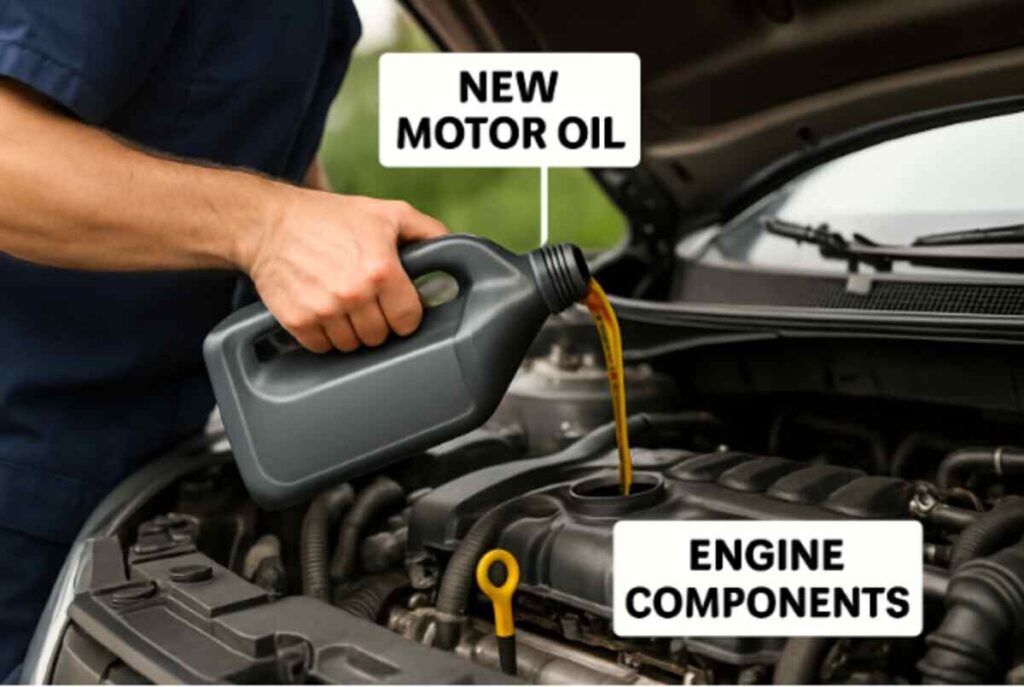
When it comes to prolonging the life of your vehicle and ensuring dependable performance, regular oil changes often make the difference between a well-running engine and costly repairs. Oil changes are the foundation of proper vehicle care, as they help maintain the engine’s efficiency and reliability. From preventing breakdowns to enhancing overall fuel economy, ensuring your oil is fresh is a crucial aspect of responsible car ownership. If you’re aiming to protect your investment and keep your rides worry-free, understanding why oil changes matter and how frequently they should occur will serve you well. For more information on reliable services, such as COD fuel delivery and maintenance options, it’s always a good idea to reach out to a trusted local provider.
Oil acts as a vital lubricant, cleaning, cooling, and cushioning engine parts. Over time, it degrades, collecting dirt and debris, which reduces effectiveness. Skipping oil changes can cause long-term damage and costly repairs. Regular oil changes keep the engine running smoothly, prevent problems, improve fuel economy, and extend vehicle lifespan.
Importance of Regular Oil Changes
Engine oil is the lifeblood of your vehicle. Its primary role is to lubricate all moving components inside the engine, thereby reducing friction and helping to prevent overheating. As you drive, oil also serves to clean the engine by trapping dirt, debris, and contaminants, preventing them from causing harm. However, after thousands of miles, oil inevitably degrades and loses these beneficial properties. Without regular changes, dirty oil can no longer perform its job effectively, putting your engine at risk for wear and tear.
Oil changes are more than just a preventive measure—they are a proactive step in extending your engine’s life. Consistently fresh oil ensures that each part of the engine can move smoothly, generating less heat and strain, and ultimately delivering a better driving experience. For drivers operating in extreme climates or challenging driving conditions, frequent oil changes become even more vital as the engine works harder and faster under stress.
Benefits of Timely Oil Changes
- Enhanced Engine Performance: Clean oil allows all engine components to move smoothly, reducing friction and supporting maximum efficiency.
- Improved Fuel Efficiency: Well-lubricated engines require less effort to power your vehicle, resulting in noticeable savings at the gas pump.
- Extended Engine Life: Regular oil changes prevent the buildup of damaging sludge and protect engine surfaces from excessive wear, adding years to your car’s usability.
- Prevention of Costly Repairs: By avoiding the accumulation of harmful particles through timely oil changes, you minimize the likelihood of needing expensive repairs or engine overhauls.
Recommended Oil Change Intervals
The ideal frequency for oil changes depends on your vehicle, the type of oil, and your driving habits. While the old wisdom suggested changing your oil every 3,000 miles, modern cars with advanced engines and higher-quality synthetic oils allow for longer intervals, typically between 5,000 and 7,500 miles. Some vehicles, especially those requiring fully synthetic oil, can even stretch to 10,000 miles between oil changes. Always refer to your owner’s manual and consult with a licensed mechanic to determine the best interval for your specific situation. Major auto publications, such as Autotrader, offer useful advice on oil change intervals for different makes and models.
Keep in mind that conditions such as frequent short trips, extreme temperatures, and heavy towing can all necessitate more frequent oil changes. Staying proactive helps you adapt to any specialized requirements your car may have.
Signs Your Car Needs an Oil Change
Monitoring your vehicle for signs of degraded oil can help you prevent minor issues from becoming serious repairs. Common warning indicators include:
- Dark or Dirty Oil: Fresh oil is amber and clear. If your oil looks dark or contains visible particles, it’s time for a change.
- Engine Noise: Increased knocking or ticking noises from your engine may indicate that oil is no longer providing adequate lubrication.
- Oil Change Light: Many cars are equipped with sensor-based reminders that illuminate when it’s time for maintenance.
- Excess Exhaust Smoke: Smoking or blue-tinted exhaust can indicate burning or contaminated oil, often a sign of immediate attention.
Choosing the Right Oil for Your Vehicle
The type of oil your vehicle needs depends on engine design, age, and your driving patterns. The main types include:
- Conventional Oil: Best for older vehicles and those with simple engine requirements.
- Synthetic Blend Oil: Combines conventional and synthetic properties, offering benefits for newer engines or those that operate under higher loads.
- Full Synthetic Oil: Offers superior heat resistance, protection, and longevity, making it ideal for modern or high-performance vehicles.
- High-Mileage Oil: Formulated to combat leaks and wear in cars with significant miles on the odometer.
Always consult your owner’s manual or speak with a trusted technician to ensure you’re using the right type of oil for your vehicle’s specific needs.
Conclusion
Prioritizing regular oil changes is one of the most effective—and simplest—ways to safeguard your vehicle’s health, performance, and longevity. Timely oil changes ensure optimal lubrication, support fuel efficiency, and protect engine components from costly damage. By following your manufacturer’s guidelines and choosing the correct oil for your vehicle, you’ll help keep your engine—and your daily drives—running smoothly for years to come.