


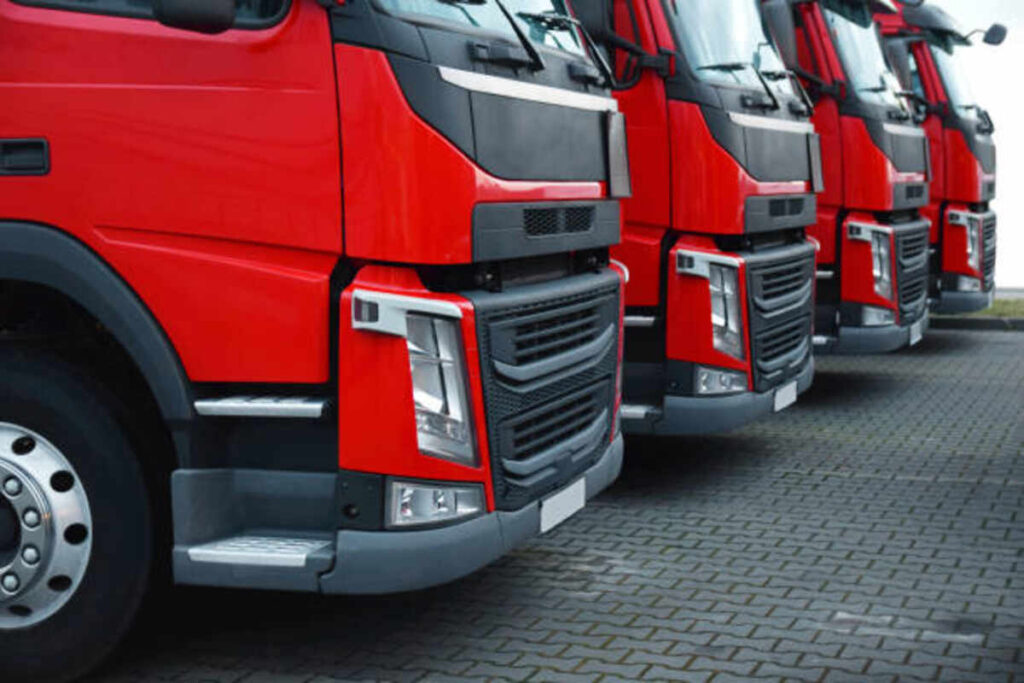
Leasing a refrigerated truck might just be the ultimate solution you’ve been looking for if your company depends on transporting goods that must remain at specific temperatures. From small-scale food distributors to large pharmaceutical companies, the need for reliable, climate-controlled vehicles is undeniable. But here’s the kicker: many businesses are now discovering that leasing offers a level of flexibility, cost savings, and access to cutting-edge features that outright purchasing can’t always match. Check out freezer-truck-lease to know more
This article dives deep into the benefits of leasing a refrigerated truck, exploring why so many companies are making the switch. We’ll walk through everything from the basics of temperature-controlled logistics and the economic edge of leasing vs. buying, all the way to seven powerful benefits that make leasing a standout choice. So, let’s turn the ignition and explore how your business can truly thrive by adopting a refrigerated truck lease model.
Understanding the Role of Refrigerated Trucks
Refrigerated trucks, also known as reefers, are vehicles outfitted with specialized cooling systems that keep cargo at a constant temperature. As consumer demand for fresh produce, premium meats, life-saving vaccines, and other temperature-sensitive products keeps rising, it’s no wonder these trucks have become a crucial link in the cold chain supply network.
The Basics of Temperature-Controlled Transport
Temperature-controlled transport is more than just flipping a switch on a cooling unit. It’s a well-orchestrated process that balances insulation, refrigeration systems, and external conditions:
- Insulation Materials: High-quality insulation within the truck walls ensures minimal heat exchange with the outside environment.
- Refrigeration Units: Modern units typically allow setting and maintaining precise temperatures. They may feature advanced control panels and digital readouts to monitor conditions in real-time.
- Power Supply: Most refrigeration systems run on separate power sources (diesel generators or an independent battery pack), keeping goods safe even if the truck engine is off.
Colloquially, you might think of these trucks as “portable freezers on wheels.” That’s not far from the truth. They’re carefully engineered to maintain the right temperatures, whether you’re hauling lettuce across town or vaccines across the country.
Industry Applications
When it comes to temperature-sensitive products, a surprising array of businesses relies on refrigerated trucking:
- Food and Beverage: Fresh produce, dairy, meats, and frozen goods.
- Pharmaceuticals and Healthcare: Vaccines, clinical samples, and other temperature-critical medicines.
- Floral Industry: Flowers require specific cool conditions to retain freshness and color.
- Cosmetics and Chemicals: Certain beauty and chemical products must avoid exposure to heat.
This wide-ranging usage is precisely why ensuring reliable refrigerated transport is non-negotiable for many organizations.
Regulatory Requirements
Government regulations often mandate strict temperature ranges for transporting perishable items. For example, the U.S. Food and Drug Administration (FDA) has guidelines under the Food Safety Modernization Act (FSMA), while the World Health Organization (WHO) sets standards for vaccines and pharmaceutical goods. Adhering to these regulations ensures the safety and efficacy of the products being delivered.
Leasing a refrigerated truck comes with the advantage of always having access to vehicles updated to meet the latest regulatory requirements. This helps you dodge potential compliance violations and ensures your cargo arrives safely every time.
Leasing vs. Buying: The Economic Comparison
Understanding the difference between leasing and buying can help you make an informed decision that aligns with your business goals. While purchasing a refrigerated truck might seem straightforward, the hidden costs and long-term responsibilities often tilt the scale toward leasing.
Initial Costs and Budgeting
When you buy a refrigerated truck, you’re usually looking at a hefty upfront payment or a significant down payment if you’re financing. This big financial outlay can strain a company’s capital, especially for smaller operations. By contrast, leasing spreads out the expense through predictable monthly payments. This approach frees up capital you could invest in inventory, marketing, or expansion—rather than tying it all up in a single large purchase.
Transitional phrase: With that said, it’s worth noting that every business’s financial picture is unique. Still, leasing can offer breathing room if you want to balance your books more effectively.
Maintenance and Repairs
Owning a refrigerated truck isn’t just about paying off a loan. Over time, wear and tear lead to steep repair bills, especially if you’re handling demanding routes. The cost of parts, labor, and even unexpected breakdowns can accumulate quickly.
Many lease agreements bundle in maintenance services, so the leasing provider handles (or at least assists with) repairs. That means you spend less time and effort juggling mechanical issues and more time delivering goods to your customers.
Minimizing Unexpected Repairs (H4 Subheading Example)
- Warranty Coverage: Leased trucks often come with extended warranties, reducing out-of-pocket expenses.
- Preemptive Servicing: Lease providers frequently schedule regular inspections to catch problems early.
- Reduced Downtime: When the truck does need repairs, replacement units might be provided, ensuring your operations don’t stall.
Tax Implications
Leasing payments are often categorized as operational expenses, making them tax-deductible in many regions. Owning a truck, on the other hand, involves depreciation, interest expenses, and other complexities. Consult a tax professional to understand how the specifics apply to your local regulations, but for many businesses, the monthly lease payments are simpler to handle from a tax perspective.
Scalability and Flexibility
If your business is growing or experiencing seasonal fluctuations, leasing allows you to adjust your fleet size more easily. Need more trucks during the summer produce rush? Lease additional vehicles for a set period. Once demand normalizes, you can scale back. This agility is especially beneficial for smaller companies that can’t afford a full fleet of purchased vehicles year-round.
7 Powerful Benefits of Leasing a Refrigerated Truck
Here comes the heart of our discussion: the benefits of leasing a refrigerated truck that has lured countless businesses toward this model. While some perks may be more relevant to certain industries than others, each advantage can transform how you manage your temperature-controlled logistics.
Benefit 1: Access to Latest Tech
Leasing companies compete for clientele by offering state-of-the-art trucks outfitted with advanced refrigeration units, GPS systems, and even telematics. You’ll likely get newer models more often than if you owned a truck outright, where you might squeeze out every last mile before considering an upgrade. With leasing:
- Regular rotations ensure you rarely operate outdated equipment.
- Fuel efficiency improves as newer trucks tend to be built with the latest eco-friendly engines.
- Enhanced reliability means your cargo is less at risk due to mechanical failures.
Benefit 2: Lower Upfront Investment
For many, the single biggest advantage is avoiding the excessive capital expense of buying a truck. Leasing operates on a monthly fee structure, letting you budget more accurately and freeing resources for other ventures. Think about it: Instead of emptying your cash reserves, you can channel those funds into expanding your product line, investing in marketing, or even beefing up your warehouse facilities.
Benefit 3: Reduced Downtime
Some lease agreements include emergency repair services or even 24/7 roadside assistance. When breakdowns do occur, the leasing company often has an established process for quick repairs or replacements, ensuring minimal disruption to your operations. This is especially crucial for perishables. One delayed shipment can tarnish your reputation or lead to severe financial losses if the product spoils en route.
Benefit 4: Simplified Maintenance Contracts
Leasing providers usually offer maintenance plans as part of the deal or at least as an add-on. Here’s why that’s a big plus:
- Predictable Costs: Maintenance fees are often fixed or follow an agreed schedule.
- Expert Technicians: Providers typically employ specialists in refrigerated trucking, ensuring your vehicle is in safe hands.
- Regular Updates: The leasing company keeps track of due services, which means you’re less likely to forget crucial check-ups.
Benefit 5: Easy Fleet Expansion
When your business hits a growth spurt, your transport needs can escalate fast. Leasing makes it simple to add trucks to your fleet without the typical headache of large down payments or long-term loan commitments. Plus, if business slows later, you can hand back the keys once the lease term ends, avoiding the burden of selling off surplus vehicles.
Benefit 6: Improved Cash Flow
Steady monthly lease payments can help you manage your company’s finances with greater clarity. No guesswork around sudden repair bills or large purchases. This consistent approach often appeals to decision-makers who want stable outgoings and fewer unpleasant financial surprises.
Colloquial note: It feels a whole lot better to pay a manageable monthly fee than to cross your fingers and hope your older model truck won’t need a five-figure repair next month.
Benefit 7: Professional Support and Training
Many leasing companies provide onboarding support or training sessions, particularly if the technology in a new truck is sophisticated. This can be invaluable for businesses that lack in-house expertise. Support might include:
- Tutorials on temperature-control settings
- Advice on optimal driving practices to maintain fuel efficiency
- Quick-response helplines for technical issues
This level of backing can be especially reassuring if you’re new to refrigerated logistics or expanding into a new product category that demands stricter temperature ranges.
Common Pitfalls and How Leasing Addresses Them
Cold-chain logistics can be fraught with challenges. However, leasing often provides answers to obstacles that might otherwise feel insurmountable for a company, especially a smaller one trying to compete with larger players.
Seasonal Demand Swings
If you deal with seasonal produce or holiday-specific products, you know how demand can skyrocket and then taper off just as quickly. Owning a fleet big enough to handle peak season might leave you with underused vehicles for the rest of the year. Leasing helps tailor your fleet size to match your needs, so you’re not left footing a massive bill during your slower months.
Limited Capital
Small or medium-sized businesses might lack the capital to purchase or finance a brand-new refrigerated truck. Leasing sidesteps that conundrum by offering a more feasible monthly payment plan. This way, you can still maintain a high level of service quality, even with limited financial resources.
Technology Obsolescence
Nobody wants to pour money into a truck that becomes outdated in a few years. Over time, better insulation materials, more efficient cooling systems, and advanced telematics become available. By leasing, you can upgrade to newer models without having to worry about reselling older trucks or losing out on depreciation value.
High Operating Costs
Operating a refrigerated vehicle involves fuel, insurance, maintenance, and regulatory compliance expenses. Leasing can streamline many of these costs. Some agreements package maintenance and warranty coverage together, allowing you to better estimate your ongoing expenses. Plus, with modern trucks being more fuel-efficient, your overall operating costs go down.
Frequently Asked Questions (FAQs)
Before we wrap up, let’s tackle some of the most common questions businesses have about leasing a refrigerated truck.
FAQ #1: Are leased refrigerated trucks reliable in extreme weather?
Absolutely. Most reputable leasing providers offer trucks designed to operate in a wide range of climates. They’ll often rotate their fleet to ensure you receive recent models equipped with advanced insulation and robust refrigeration units.
FAQ #2: Can I customize a leased refrigerated truck?
In many cases, yes. Basic modifications such as branding and shelving might be permissible, though major alterations to the truck’s structure or refrigeration system can require the leasing company’s approval. Always check the lease agreement first.
FAQ #3: What happens if the leased truck breaks down?
Most leases include some form of breakdown assistance. Some even provide temporary replacement vehicles, helping you avoid major disruptions to your delivery schedule.
FAQ #4: Is leasing more expensive in the long run?
That depends on your usage and financial strategy. If you frequently upgrade to new trucks or want to avoid large upfront costs, leasing can be cheaper overall. However, if you plan on using the same vehicle for a decade or more, buying might eventually pay for itself.
FAQ #5: How do I choose the right leasing provider?
Look for companies with a solid reputation, transparent contracts, and comprehensive maintenance services. Seek recommendations from businesses with similar transport needs, and read customer reviews to gauge reliability and customer support quality.
FAQ #6: Will I have to handle insurance separately?
Some lease agreements include insurance coverage, while others require you to provide your own. Ensure you clarify this detail when negotiating your contract, as insurance can significantly impact your monthly costs.
Conclusion
Leasing a refrigerated truck isn’t just about getting access to a vehicle; it’s about streamlining your operations, cutting down upfront expenses, and positioning your business for scalability and growth. Whether you’re a small entrepreneur delivering handcrafted gelato or a pharmaceutical giant distributing lifesaving vaccines, leasing can offer the agility and financial flexibility you need to thrive in a competitive market.
From the benefits of leasing a refrigerated truck—like reduced downtime, better cash flow management, and instant upgrades to the latest technology—to addressing common pitfalls such as high operating costs and seasonal demand spikes, the leasing model remains a potent choice for many. By embracing it, you’re essentially investing in a partnership that goes beyond the road, allowing you to focus on what truly matters: delivering top-quality goods to your customers on time and in perfect condition.
Remember to do your due diligence—analyzing your business’s financial needs, potential demand fluctuations, and compliance requirements—before signing on the dotted line. If you pick the right leasing provider, you’ll soon discover how this seemingly straightforward decision can boost your company’s prospects and set you up for long-term success.
Read also: